
 Kosher Vitamin A, B, C, D, E, & K
 Prenatal & Postnatal Vitamins
 Children’s Multivitamins
 Vitamin C & Zinc Boosters

 Detox & Cleansing
 Herbal Teas
 Herbal Bitters & Detox
 Turmeric & Curcumin
 Green Tea Extract


Best Ways to Use Fenugreek Seeds for Your Health

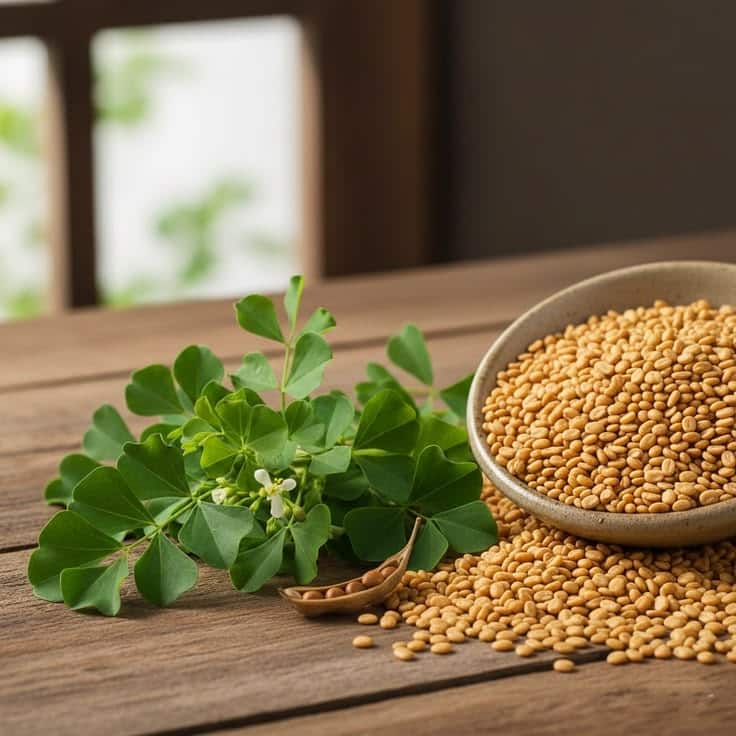
What Are Fenugreek Seeds?
Fenugreek seeds are tiny, golden-brown seeds that come from a plant commonly used in cooking and traditional medicine. If you’ve ever eaten curry or certain herbal dishes, chances are you’ve already tasted fenugreek without realizing it. But beyond its slightly bitter, nutty flavor, these seeds are packed with powerful health benefits that people have relied on for centuries.
What makes fenugreek stand out is its rich nutritional profile. These seeds are loaded with fiber, protein, iron, magnesium, and plant compounds that actively support your body. Think of them as a small but mighty natural supplement sitting right in your kitchen.
Why Fenugreek Seeds Are Popular in Natural Health
Fenugreek seeds have gained serious attention in the wellness space—and for good reason. Unlike many trendy “superfoods,” fenugreek has been used for generations across different cultures. It’s not just hype; it’s proven by consistent use over time.
People are turning to fenugreek because it’s simple, affordable, and versatile. You don’t need fancy supplements or complicated routines. With just a teaspoon of these seeds, you can support digestion, balance blood sugar, and even improve your skin and hair. That’s the kind of everyday health hack that actually sticks.
Top Ways to Use Fenugreek Seeds
Drinking Fenugreek Water
One of the easiest and most effective ways to use fenugreek seeds is by soaking them overnight in water. In the morning, you drink the water on an empty stomach.
This method works like a gentle internal cleanse. The soaked seeds release nutrients into the water, making it easier for your body to absorb them. It’s especially helpful for digestion and metabolism. If you’re someone trying to start your day with something healthy but simple, this is a great place to begin.
Using Fenugreek Powder
Grinding fenugreek seeds into powder opens up more ways to use them. You can mix the powder into warm water, smoothies, or even yogurt.
The advantage here is convenience. You don’t have to soak or wait—just scoop and go. Plus, powdered fenugreek blends easily into your daily routine without drastically changing the taste of your meals. It’s like quietly upgrading your nutrition without extra effort.
Adding to Meals
Fenugreek seeds can also be used directly in cooking. They are often added to soups, stews, and sauces for both flavor and health benefits.
Cooking with fenugreek is a smart way to make your meals more functional. Instead of eating just for taste, you’re also feeding your body something beneficial. It’s like turning every meal into a mini wellness routine.
Fenugreek Tea
If you enjoy warm drinks, fenugreek tea is another great option. Simply boil the seeds in water and sip like a regular tea.
This method is soothing and especially helpful after meals. It can ease bloating and support digestion, making it a great addition to your evening routine.
NB- You can also consume it in form of a capsule and you can also get it from trusted vendors at Behalaal Marketplace.
Health Benefits of Fenugreek Seeds
Supports Digestion
Fenugreek seeds are rich in soluble fiber, which helps keep your digestive system running smoothly. If you often feel bloated or uncomfortable after meals, fenugreek can act like a natural reset button for your gut.
Helps Control Blood Sugar
One of the most talked-about benefits of fenugreek is its ability to support healthy blood sugar levels. It slows down how your body absorbs sugar, which can help prevent sudden spikes and crashes.
Promotes Hair Growth
Fenugreek isn’t just for internal health—it works externally too. Many people use fenugreek paste on their scalp to strengthen hair and reduce breakage. It’s like giving your hair a natural protein boost.
Aids Weight Management
Trying to manage your weight? Fenugreek can help by keeping you fuller for longer. Its fiber content reduces unnecessary snacking and supports better eating habits without feeling deprived.
Best Time to Take Fenugreek
Timing can make a difference. Most people prefer taking fenugreek in the morning on an empty stomach, especially in water form. This allows your body to absorb the nutrients quickly and sets the tone for the day.
If you’re using it for digestion, taking it after meals or as tea in the evening works just as well. The key is consistency—small daily use brings better results than occasional large doses.
Side Effects and Precautions
While fenugreek is natural, it’s still important to use it wisely. Taking too much can lead to stomach discomfort or a slightly unusual body odor (yes, it happens).
If you’re pregnant, have allergies, or are on medication, it’s best to consult a healthcare professional before adding fenugreek to your routine. Natural doesn’t always mean risk-free, so balance is everything.
Conclusion
Fenugreek seeds might look small, but they pack a serious punch when it comes to health benefits. Whether you drink it as water, mix it into your meals, or brew it into tea, there’s a method that fits easily into your lifestyle.
The real magic lies in consistency. You don’t need to overhaul your life—just start small, stay consistent, and let these tiny seeds do their work. Sometimes, the simplest habits are the ones that create the biggest changes.
FAQs
1. Can I take fenugreek seeds every day?
Yes, in moderate amounts. Daily use is generally safe and beneficial, especially when taken in small doses like soaked water or powder.
2. How long does it take to see results?
You may start noticing changes in digestion within a few days, while benefits like improved hair or blood sugar may take a few weeks.
3. Can I eat fenugreek seeds raw?
Yes, but they are quite bitter. Soaking or cooking them makes them easier to consume and digest.
4. Is fenugreek good for skin?
Yes, it has anti-inflammatory properties that can help improve skin health when used internally or as a paste.
5. Who should avoid fenugreek?
Pregnant women, people with allergies, or those on certain medications should consult a doctor before use.


