
 Kosher Vitamin A, B, C, D, E, & K
 Prenatal & Postnatal Vitamins
 Children’s Multivitamins
 Vitamin C & Zinc Boosters

 Detox & Cleansing
 Herbal Teas
 Herbal Bitters & Detox
 Turmeric & Curcumin
 Green Tea Extract


What Are Ajwa Dates Seeds? Uses, Nutritional Value, and Traditional Significance

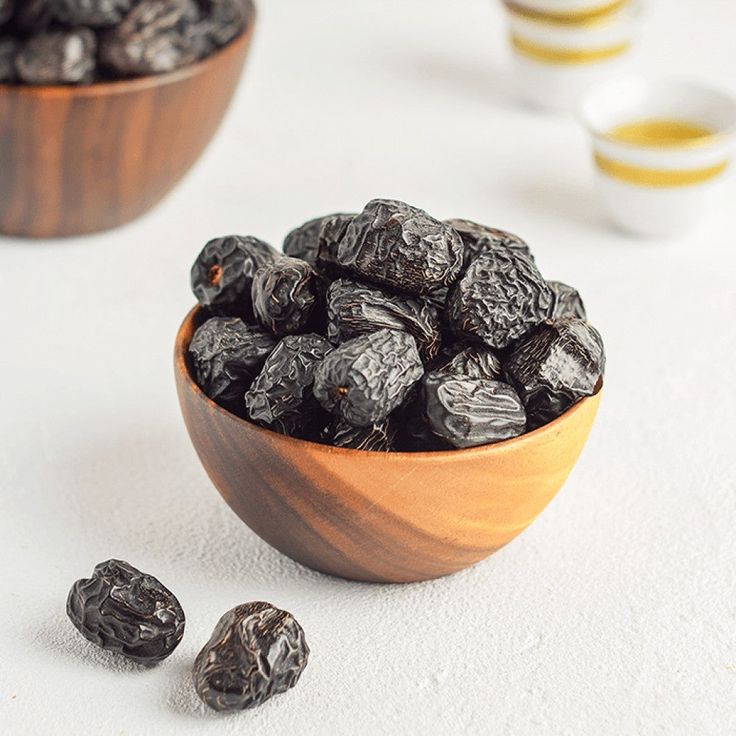
Ajwa dates are widely appreciated for their distinctive taste, cultural importance, and place in traditional food practices. While many people enjoy the soft, dark fruit, there is another part that often goes unnoticed: the Ajwa date seed. What exactly are these seeds, how are they traditionally used, and what should you know about their nutritional value before exploring them?
This article explores Ajwa date seeds, their relationship to the Ajwa date fruit, their traditional significance, potential uses, and important safety considerations. It also explains the difference between established nutritional facts and health claims that require more scientific evidence.
If you are interested in learning more about this traditional ingredient, Ajwa date seeds are available on Behalaal Marketplace, where you can explore the product and its availability.
Article Outline
– H1: What Are Ajwa Dates Seeds? Uses, Nutritional Value, and Traditional Significance
- H2: Understanding Ajwa Date Seeds
- H3: Where Ajwa Dates Come From
- H3: What Makes Ajwa Seeds Different?
- H2: Nutritional Value of Ajwa Date Seeds
- H3: Dietary Fiber, Lipids, and Protein
- H3: Plant Compounds and Antioxidants
- H2: Traditional Significance of Ajwa Dates
- H3: Cultural and Islamic Heritage
- H3: The Seed in Traditional Practices
- H2: Common Uses of Ajwa Date Seeds
- H3: Ground Seed Powder
- H3: Roasted Seed Preparations
- H3: Research and Food Applications
- H2: Potential Benefits and Scientific Research
- H3: Antioxidant Activity
- H3: What Research Says About Metabolic Health
- H2: Safety, Preparation, and Storage
- H2: How to Choose Ajwa Date Seeds
- H2: Where to Find Ajwa Date Seeds
- H2: Conclusion
- H2: Frequently Asked Questions
Understanding Ajwa Date Seeds
Ajwa date seeds are the hard, elongated pits found inside Ajwa dates, a distinctive variety of date fruit associated with Madinah, Saudi Arabia. The fruit is known for its dark appearance, soft texture when ripe, and rich cultural heritage. After the edible flesh is removed, the seed remains as a firm kernel that researchers have studied for its natural plant compounds and possible food applications. Rather than being treated as a completely useless part of the fruit, date seeds are increasingly attracting attention as an agricultural byproduct with potential value. Research published in recent years has explored their chemical composition, antioxidant activity, and possible uses in food development
If you have ever eaten a date and discarded its pit without another thought, you are not alone. Most people focus on the sweet fruit, yet the seed has its own characteristics worth understanding. Ajwa date seeds are not identical to the flesh, and their nutritional composition should not be confused with the nutrients found in the whole date. Their hard structure also means they are generally explored in processed forms, such as ground powder or extracts, rather than eaten whole. Understanding this difference helps you appreciate the seed as a separate ingredient while keeping expectations about its uses and health effects realistic.
Where Ajwa Dates Come From
Ajwa dates come from the date palm, scientifically known as Phoenix dactylifera L. The variety is particularly associated with Madinah in Saudi Arabia, where Ajwa dates hold a special place in local food culture and Islamic tradition. The fruit is enjoyed on its own and commonly served to guests, shared during family gatherings, and eaten to break the fast during Ramadan. Its distinctive identity has made it recognisable among the many varieties of dates available around the world.
The seed develops inside the fruit as it matures. Its size, weight, and chemical composition can vary depending on the date variety, growing conditions, maturity, and processing methods. Ajwa seeds are therefore best understood as part of a particular date variety rather than as a completely separate plant. Research into date seeds has expanded because scientists are interested in how fruit-processing byproducts might be used more effectively. This research also helps explain why the seed deserves attention beyond its role as something to remove before eating the fruit.
What Makes Ajwa Seeds Different?
Ajwa date seeds have a firm, fibrous structure and are not naturally soft like the surrounding fruit. Unlike the date flesh, which is readily eaten as a sweet food, the seed usually needs suitable processing before it can be considered for culinary applications. Grinding, roasting, and extraction are among the methods explored in date-seed research, although the suitability of any method depends on the intended product and food-safety requirements.
Another point of interest is the presence of naturally occurring plant compounds. Studies of date seeds have identified phenolic compounds and other constituents that researchers investigate for their antioxidant properties. However, the exact composition can vary by variety and processing technique, so findings from one type of date seed should not automatically be applied to every Ajwa seed product. The distinction matters when comparing powders, roasted preparations, and extracts. Each may have a different composition, flavour, and intended use.
Nutritional Value of Ajwa Date Seeds
When discussing the nutritional value of Ajwa date seeds, it is important to separate what researchers have identified from what has been proven to benefit people who consume them. Studies of date pits generally report components such as dietary fibre, lipids, protein, minerals, and plant-derived compounds. These components make date seeds interesting for food science and ingredient development, especially as researchers explore ways to make use of agricultural byproducts. A review focused on Ajwa dates and their pits describes the seeds as containing fibre, lipids, minerals, proteins, and phenolic compounds.
However, there is no single nutritional figure that accurately describes every Ajwa date seed product. A raw seed, roasted seed powder, and concentrated extract are different materials. Their composition can be affected by the processing method, moisture content, origin, and storage conditions. For this reason, avoid assuming that a powder provides a particular amount of protein, fibre, minerals, or antioxidants unless reliable product-specific information is available. If you are considering a packaged product, its ingredient list, preparation instructions, and available nutritional information are more useful than general claims about date seeds.
Dietary Fiber, Lipids, and Protein
Dietary fibre is one of the components that makes date seeds interesting to researchers. Fibre is important in human nutrition because it contributes to digestive health when consumed as part of an appropriate diet. The amount of fibre in a particular Ajwa seed product, however, depends on the material and its processing. A product containing seed powder may differ considerably from an extract, especially if the extraction process removes some of the original solid material.
Date seeds also contain lipids, which are fats naturally present in plant materials, alongside smaller quantities of protein. These components contribute to the seed’s overall composition and make it a subject of interest when developing ingredients for food products. Still, the presence of a nutrient does not automatically mean that a serving of seed powder provides a substantial amount of it. Without a verified nutritional analysis and serving size, it would be misleading to assign exact nutrient values to Ajwa date seeds.
Plant Compounds and Antioxidants
Ajwa date seeds have received attention for their phenolic compounds and other plant-derived constituents. Phenolics are a broad group of compounds found in many plant foods, and some can demonstrate antioxidant activity under laboratory conditions. Antioxidants are studied because they can interact with reactive molecules involved in oxidation. This is one reason researchers continue to examine date seeds as potential ingredients in food preservation and product development.
The important distinction is that laboratory antioxidant activity does not establish a specific health benefit in humans. A compound may behave differently in the body than it does in a laboratory test, and the quantity consumed, digestion, absorption, and metabolism all influence its effects. Therefore, it is reasonable to describe Ajwa date seeds as a subject of antioxidant research, but not to promise that consuming them will prevent illness, reverse ageing, or treat a medical condition. Scientific findings should guide interest in the ingredient without turning preliminary evidence into a health guarantee.
Traditional Significance of Ajwa Dates
Ajwa dates have a special place in the food traditions of Saudi Arabia and in Islamic heritage. Their association with Madinah gives them cultural importance beyond their flavour or nutritional composition. Many families serve them to guests, include them in Ramadan meals, or give them as thoughtful gifts. For people who value traditional foods, Ajwa dates can represent hospitality, heritage, and a connection to a long-established food culture.
The seeds are part of this fruit, but their traditional significance should not be confused with the religious significance of the whole date. The best-known Islamic references to Ajwa dates concern the fruit itself, not a universal requirement to consume its seeds or use seed powder as a remedy. Modern interest in Ajwa date seeds has grown partly through research into their composition and potential applications. Understanding both the cultural background and the scientific evidence allows readers to appreciate the ingredient without confusing tradition with medical proof.
Cultural and Islamic Heritage
For many Muslims, Ajwa dates are associated with Madinah and with teachings concerning the virtues of dates. They are commonly enjoyed during Ramadan, particularly when breaking the fast, and may also be served at other times of the year. Their role in family traditions, hospitality, and religious occasions helps explain why interest in Ajwa products extends beyond ordinary food shopping.
This heritage can also influence interest in products made from the seeds. Some consumers are curious about using more of the fruit, while others want to learn about traditional ingredients that have attracted scientific attention. Both interests are understandable, but they are not the same as evidence that a particular seed preparation has a religiously established benefit or a clinically proven medicinal effect. When researching Ajwa date seeds, it is helpful to distinguish well-known traditions involving Ajwa fruit from claims about seed-specific remedies that may require separate verification.
The Seed in Traditional Practices
Date seeds have been used in different food and traditional practices, including preparations made from roasted or ground pits. Practices vary by community, date variety, and intended application. In some contexts, date-seed preparations have been explored as coffee-like drinks or as ingredients in other products. Such uses reflect the broader effort to make use of the parts of date fruit that might otherwise be discarded.
Ajwa date seeds have also attracted scientific interest because of their chemical constituents. Nevertheless, a practice being traditional does not automatically establish its effectiveness or safety for every person. If you encounter a claim that Ajwa seed powder can treat a disease, improve fertility, control blood sugar, or protect a particular organ, check whether the evidence comes from human clinical studies or only from laboratory and animal experiments. This approach respects traditional knowledge while recognising the importance of reliable evidence.
Common Uses of Ajwa Date Seeds
Ajwa date seeds can be considered in several ways, depending on how they have been prepared and what the manufacturer intends them to be used for. The most important distinction is between a processed ingredient intended for a specific application and an unprocessed hard pit. A whole seed is not equivalent to a ready-to-use powder, and a powder is not necessarily interchangeable with an extract. Before purchasing any seed-based product, check its description and instructions to understand its intended use.
Research into date-seed ingredients has included food applications, particularly the use of ground seed material and extracts containing plant compounds. These applications are promising areas of product development, but they do not mean that every commercial preparation has been tested or approved for every purpose. If you are interested in Ajwa date seeds for personal use, choose a product with clear labelling and avoid improvising with hard pits that have not been appropriately processed.
Ground Seed Powder
Ground date-seed powder is one form of processed date seed that attracts interest from consumers and food researchers. Grinding reduces the seed into smaller particles, making it easier to incorporate into certain formulations than an intact pit. Depending on the product, the powder may have a distinctive roasted, earthy, or mildly bitter flavour. Its exact taste and texture will depend on whether the seeds were roasted before grinding and how finely they were milled.
Do not assume that every Ajwa date seed powder is intended to be eaten directly, mixed into drinks, or used as a dietary supplement. Some products may be designed for particular food applications, while others may have different directions for use. Read the packaging before adding the powder to smoothies, porridge, baked goods, or other recipes. If the seller does not provide clear preparation instructions or information about food-grade processing, ask for clarification rather than guessing. A clearly labelled product is a better starting point than a preparation made from unidentified or inadequately processed seeds.
Roasted Seed Preparations
Roasting is another processing method explored for date seeds. Heat can change their colour, aroma, taste, and chemical composition, which is why roasting conditions matter. Researchers and food developers may investigate roasted date-seed ingredients as alternatives or additions to other roasted plant materials. Some preparations are designed to produce a beverage with a flavour reminiscent of coffee, although this does not mean that every date-seed product tastes like coffee or has the same properties.
If a product is sold as a roasted Ajwa seed preparation, follow the manufacturer’s directions for preparation and serving. Do not assume that roasting at home makes an unknown or contaminated material safe. Proper processing, hygienic handling, and suitable storage are important throughout production. Consumers who prefer a ready-made product should check the ingredient list and intended use instead of relying on appearance or informal preparation advice alone.
Research and Food Applications
Beyond home use, date seeds are being investigated as potential ingredients for food formulation and preservation. One example is a 2024 study published in Heliyon that examined Ajwa date-seed powder and extract in butter. Researchers added these materials at concentrations of 0.5% and 1% and monitored oxidation-related measures during storage at 60°C over 21 days. The study reported improvements in several measures of oxidative stability in the treated butter samples.
This finding is relevant to food science because oxidation can affect the quality and shelf life of fat-containing foods. However, it does not establish that eating Ajwa date seeds produces the same effects inside the human body. The research investigated a food formulation under specific experimental conditions, not a clinical treatment or a general health outcome. It illustrates how a material that might otherwise be discarded can have potential value in food development, while also showing why each claim must be interpreted in the context of the study that produced it.
Potential Benefits and Scientific Research
Interest in Ajwa date seeds often comes from questions about antioxidants, metabolic health, and the possible uses of plant-derived compounds. Scientific studies have investigated these areas, but the strength of the evidence differs from one question to another. Some research examines the chemical composition of seed extracts, while other studies test biological activity in laboratory settings or animal models. These approaches help researchers identify promising directions, but they cannot by themselves establish that a product will prevent or treat disease in people.
A 2025 comparative study of seeds from three date varieties, including Ajwa, examined their chemical profiles, antioxidant activity, and selected biological effects associated with glucose metabolism. The researchers identified various metabolites and tested seed extracts using laboratory methods and an animal model. Although the results offer useful scientific leads, the study does not demonstrate that commercially available Ajwa seed powder controls diabetes in humans.
Antioxidant Activity
Antioxidant activity is one of the most discussed areas in date-seed research. Certain compounds found in plants can react with molecules involved in oxidation, and scientists use laboratory tests to investigate these interactions. Ajwa date seeds have been studied for phenolic compounds and their potential antioxidant activity, making them interesting to researchers exploring natural food ingredients.
But what does this mean for an ordinary consumer? It means the seeds contain compounds worth studying, not that consuming them guarantees protection from oxidative stress or related diseases. A laboratory test cannot tell us on its own how much of a compound the body absorbs, whether the amount in a typical serving is meaningful, or whether a measurable health outcome follows. A balanced diet that includes a variety of fruits, vegetables, whole grains, and other nutrient-rich foods remains a more established approach to supporting general health than relying on a single seed product.
What Research Says About Metabolic Health
Researchers have also investigated whether date-seed extracts influence processes connected with glucose metabolism. Some laboratory experiments examine enzymes involved in carbohydrate digestion, while animal studies may explore changes in blood glucose and related markers. These investigations can help scientists identify compounds for further study, but their results should not be treated as evidence that Ajwa date seeds are an established treatment for diabetes.
Springer Nature Link
For anyone managing diabetes or monitoring blood sugar, caution is particularly important. Do not replace prescribed medication, dietary advice, or clinical monitoring with Ajwa date seed powder or any other unproven remedy. Products may differ in composition, and the safety of combining concentrated plant preparations with medication may not be well understood. If you want to add a seed-based product to your routine, speak with a qualified healthcare professional, especially if you take medication that lowers blood glucose.
Safety, Preparation, and Storage
Like any food ingredient, Ajwa date seeds should be handled with attention to quality, preparation, and storage. Their hard structure makes whole seeds unsuitable for casual chewing, and swallowing them whole is not a recommended way to use them. Do not attempt to consume intact pits or grind them using equipment that is not designed to handle such a hard material. If you choose a seed-based product, look for one that has been appropriately processed and clearly labelled for its intended use.
Food safety also matters. Date products can be affected by poor handling, moisture, contamination, and unsuitable storage conditions. A review published in 2024 highlighted the importance of hygienic handling and storage in maintaining the safety and quality of dates and related products.
ScienceDirect For seed powder, keep the packaging sealed as directed, use a clean and dry utensil, and follow the manufacturer’s storage instructions. Discard the product if it develops an unusual smell, visible mould, signs of moisture damage, or other changes that suggest spoilage.
People who are pregnant or breastfeeding, children, and individuals with chronic medical conditions should be particularly careful about using concentrated seed extracts or products marketed as supplements. Research on Ajwa date seeds is still developing, and limited human evidence means that safety cannot be assumed for every formulation or dose. Anyone with a known allergy to dates or related ingredients should avoid the product unless a qualified healthcare professional advises otherwise. If you experience an unexpected reaction after using a product, stop taking it and seek appropriate medical advice.
Finally, remember that a product’s traditional reputation is not a substitute for quality assurance. Choose products with clear ingredient information, appropriate packaging, traceable sourcing where available, and realistic descriptions of their intended use. Avoid sellers who promise guaranteed cures or claim that seed powder can replace prescribed treatment. A responsible product description should help you understand what you are buying without exaggerating its benefits.
How to Choose Ajwa Date Seeds
Choosing an Ajwa date seed product starts with understanding whether you need whole seeds, a processed powder, or another preparation. These forms are not interchangeable, so begin by checking the product description carefully. If the item is a powder, look for an explanation of how it is processed and what it is intended for. If you are considering an extract, check whether the label specifies its ingredients, concentration, and recommended use.
Origin and product identity are also important. Ajwa dates are strongly associated with Madinah, but not every item advertised as an Ajwa seed product will necessarily provide detailed information about its source. Check the seller’s description and ask questions if the origin, ingredients, or processing method is unclear. Clear labelling does not guarantee every aspect of quality, but it gives you a better basis for making an informed decision.
Packaging should be clean, intact, and suitable for protecting the contents from moisture and contamination. Where available, look for batch details, an expiry or best-before date, storage instructions, and information about the producer or seller. If you are purchasing online, review the product description before ordering so that you understand the form and intended application of the seeds. Avoid assuming that a product is food-grade simply because it is labelled natural or traditional.
Most importantly, base your choice on your intended use rather than an exaggerated health claim. A seed powder intended for a particular culinary application may not be appropriate for use as a supplement. Likewise, an ingredient investigated in a laboratory study may not have been evaluated as a ready-to-consume product. Choosing carefully helps you appreciate Ajwa date seeds as a traditional and scientifically interesting ingredient while maintaining realistic expectations.
Where to Find Ajwa Date Seeds
If you are interested in exploring Ajwa date seeds, you can find them on Behalaal Marketplace . Before placing an order, review the available product listing to confirm the form offered, the listed ingredients, the intended use, and any preparation or storage instructions. These details can help you determine whether the product suits your needs and whether you have enough information to use it appropriately.
Shopping online can make it easier to explore traditional ingredients that may not be readily available in every local shop. Still, take time to review the product information rather than relying solely on its name or advertised benefits. If you need clarification about the seed preparation, ask the seller before purchasing.
Explore Ajwa date seeds on Behalaal Marketplace to learn more about the available product and its details. Whether your interest comes from traditional food culture, curiosity about date-seed research, or a desire to learn about lesser-known parts of the date fruit, start with reliable information and choose a product that is clearly described.
Conclusion
Ajwa date seeds are more than the hard pits left behind after enjoying Ajwa dates. They are a part of a fruit with deep cultural and Islamic significance, and they have attracted scientific interest because of their fibre, lipids, protein, and naturally occurring plant compounds. Researchers are exploring their potential applications in food development and their antioxidant properties, although many proposed health benefits still require stronger evidence from human studies.
Understanding the difference between traditional use and scientifically established benefits is essential when exploring this ingredient. Choose properly processed products, follow the manufacturer’s instructions, and avoid treating seed powder or extracts as substitutes for medical care.
If you would like to explore this traditional ingredient for yourself, Ajwa date seeds are available on Behalaal Marketplace. Review the product details, understand its intended use, and make an informed choice based on your needs.
Frequently Asked Questions
1. What are Ajwa date seeds?
Ajwa date seeds are the hard pits found inside Ajwa dates, a variety of date fruit particularly associated with Madinah, Saudi Arabia. They contain naturally occurring components, including fibre, lipids, protein, and plant compounds, that researchers are studying for potential food applications.
2. What is the nutritional value of Ajwa date seeds?
Ajwa date seeds have been studied for their dietary fibre, lipids, protein, minerals, and phenolic compounds. Their exact nutritional composition varies according to the seed material and processing method, so check the nutritional information for the specific product you intend to purchase.
3. Can Ajwa date seeds be used as a powder?
Yes, processed date seeds can be ground into powder for certain food applications. However, the intended use depends on the product, so follow its preparation instructions and do not assume that every powder is suitable for direct consumption.
4. Do Ajwa date seeds have proven medicinal benefits?
Researchers have investigated their antioxidant activity and other biological properties in laboratory experiments and animal studies. However, these findings do not establish that Ajwa date seeds can prevent or cure diseases in humans. More high-quality clinical research is needed.
5. Where can I buy Ajwa date seeds?
You can explore Ajwa date seeds on Behalaal Marketplace. Check the product listing for information about its form, ingredients, intended use, and storage instructions before purchasing.
DISCLAIMER
This blog has not been approved by your local health department and is not intended to provide diagnosis, treatment, or medical advice. The content provided on this blog is for informational purposes only. Please consult with a physician or other healthcare professional regarding any medical or health-related diagnosis or treatment options. Information on this blog should not be considered as a substitute for advice from a healthcare professional. The claims made about specific products throughout this blog are not approved to diagnose, treat, cure, or prevent disease.


