
 Kosher Vitamin A, B, C, D, E, & K
 Prenatal & Postnatal Vitamins
 Children’s Multivitamins
 Vitamin C & Zinc Boosters

 Detox & Cleansing
 Herbal Teas
 Herbal Bitters & Detox
 Turmeric & Curcumin
 Green Tea Extract


Best Ways to Take Dandelion Root for Health Benefits

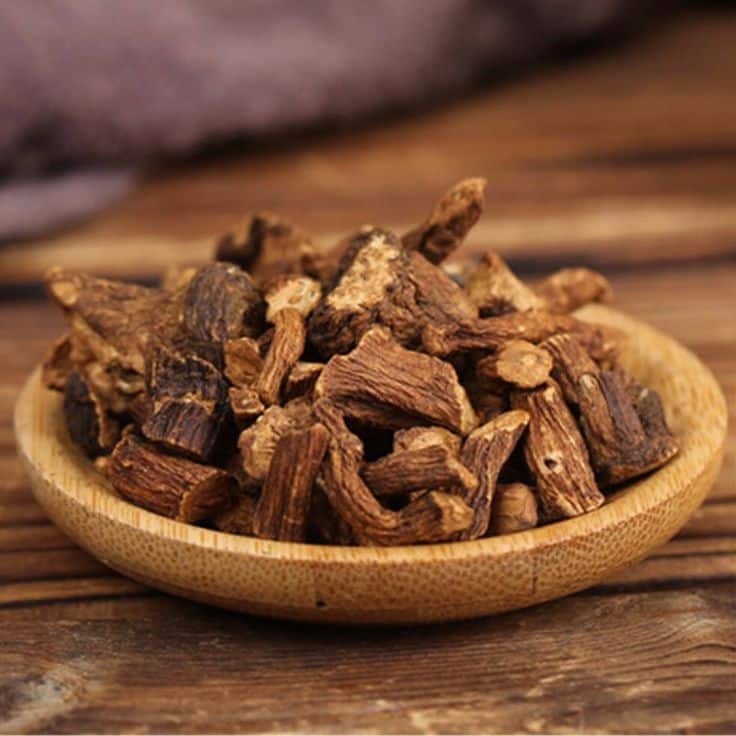
What Is Dandelion Root?
Dandelion root comes from the same bright yellow plant most people consider a stubborn weed. But what if that “weed” is actually a hidden health booster? For centuries, people have used dandelion root in natural medicine, especially in herbal traditions across Europe and Asia. The root is rich, earthy, and packed with compounds that support the body in subtle but powerful ways.
Unlike the leaves, which are often eaten fresh, the root is usually dried and processed into teas, powders, or supplements. Its slightly bitter taste is not a flaw—it’s actually part of what makes it effective. Bitterness in herbs often stimulates digestion, helping your body break down food more efficiently.
Why People Use Dandelion Root for Health
Key Nutrients and Compounds
Dandelion root contains important nutrients like vitamins A, C, and K, as well as minerals such as potassium and iron. But the real magic lies in its plant compounds. It’s rich in antioxidants and contains inulin, a type of fiber that feeds healthy gut bacteria.
Think of it like giving your digestive system a gentle reset. Instead of forcing your body to work harder, it supports natural processes already happening inside you.
Popular Health Benefits
People turn to dandelion root for several reasons. It’s commonly used to support liver health, improve digestion, and reduce bloating. Some also use it to help maintain healthy blood sugar levels or as a natural diuretic to reduce water retention.
It’s not a miracle cure, but it works like a steady helper—quietly improving how your body functions over time.
Different Forms of Dandelion Root
Tea
Dandelion root tea is one of the most popular ways to take it. It’s warm, soothing, and easy to prepare. The roasted version even has a coffee-like flavor, making it a great caffeine-free alternative.
Capsules
Capsules are perfect if you don’t enjoy the taste. They’re convenient and easy to measure, especially if you’re always on the go.
Powder
The powdered form can be mixed into drinks or sprinkled into meals. It’s versatile and works well for people who like adding supplements to their diet creatively.
Tinctures
Tinctures are liquid extracts. They’re more concentrated and absorbed quickly by the body, making them a strong option for those who want faster effects.
Best Ways to Take Dandelion Root
Drinking It as Tea
If you’re just starting out, tea is the easiest entry point. Simply steep dried dandelion root in hot water for about 10–15 minutes. The longer it steeps, the stronger the flavor and benefits.
Drinking it before meals can help kickstart digestion. It’s like warming up your body before a workout—everything runs smoother afterward.
Adding It to Smoothies
Powdered dandelion root blends well into smoothies. You can mix it with fruits like bananas or berries to balance out the bitterness. This method is great if you want to combine multiple health benefits in one drink.
It turns your smoothie into more than just a snack—it becomes a functional health boost.
Taking Capsules for Convenience
Capsules are ideal if your schedule is tight. You don’t have to prepare anything, and you can take them with water just like any other supplement. This method ensures consistency, which is key when using herbal remedies.
Using Tinctures for Fast Absorption
Tinctures are taken by adding a few drops under your tongue or into water. Because they’re liquid, your body absorbs them quickly. This makes them a good choice if you want more immediate support, especially for digestion.
When and How Often to Take It
Best Time of Day
The best time to take dandelion root depends on your goal. If you’re using it for digestion, take it before meals. If it’s for general wellness, mornings are ideal because it helps your body start the day on a clean note.
Avoid taking it too late at night, especially since it can act as a mild diuretic and may disrupt your sleep.
Recommended Frequency
Most people take dandelion root once or twice daily. Consistency matters more than quantity. It’s better to take a small, regular dose than to overdo it occasionally.
Possible Side Effects and Precautions
Dandelion root is generally safe for most people, but it’s not for everyone. Some may experience mild stomach discomfort, especially when starting out. Because it can increase urination, staying hydrated is important.
If you have allergies to plants like ragweed or are taking medications, it’s smart to check with a healthcare professional first. Natural doesn’t always mean risk-free, so it’s better to be cautious.
Conclusion
Dandelion root might look ordinary, but it offers surprisingly powerful health benefits when used correctly. Whether you prefer tea, capsules, powder, or tinctures, the key is finding a method that fits your lifestyle. Think of it as a small daily habit that quietly supports your body over time.
The best approach isn’t complicated. Start simple, stay consistent, and listen to how your body responds. Sometimes, the most effective solutions are the ones that grow right under our feet.
FAQs
1. Can I take dandelion root every day?
Yes, many people take it daily in moderate amounts. Consistency is more important than high doses.
2. Does dandelion root help with weight loss?
It may support weight management indirectly by reducing bloating and improving digestion, but it’s not a direct fat burner.
3. How long does it take to see results?
Some people notice changes in digestion within a few days, while other benefits may take a few weeks.
4. Can I drink dandelion tea at night?
It’s better to avoid it late at night because of its diuretic effect, which may interrupt sleep.
5. Is dandelion root safe for everyone?
Most people tolerate it well, but those with allergies or certain medical conditions should consult a professional first.
DISCLAIMER
This blog has not been approved by your local health department and is not intended to provide diagnosis, treatment, or medical advice. The content provided on this blog is for informational purposes only. Please consult with a physician or other healthcare professional regarding any medical or health-related diagnosis or treatment options. Information on this blog should not be considered as a substitute for advice from a healthcare professional. The claims made about specific products throughout this blog are not approved to diagnose, treat, cure, or prevent disease.


