
 Kosher Vitamin A, B, C, D, E, & K
 Prenatal & Postnatal Vitamins
 Children’s Multivitamins
 Vitamin C & Zinc Boosters

 Detox & Cleansing
 Herbal Teas
 Herbal Bitters & Detox
 Turmeric & Curcumin
 Green Tea Extract


What Is Natural Shea Butter? Benefits, Uses, and Nutrition

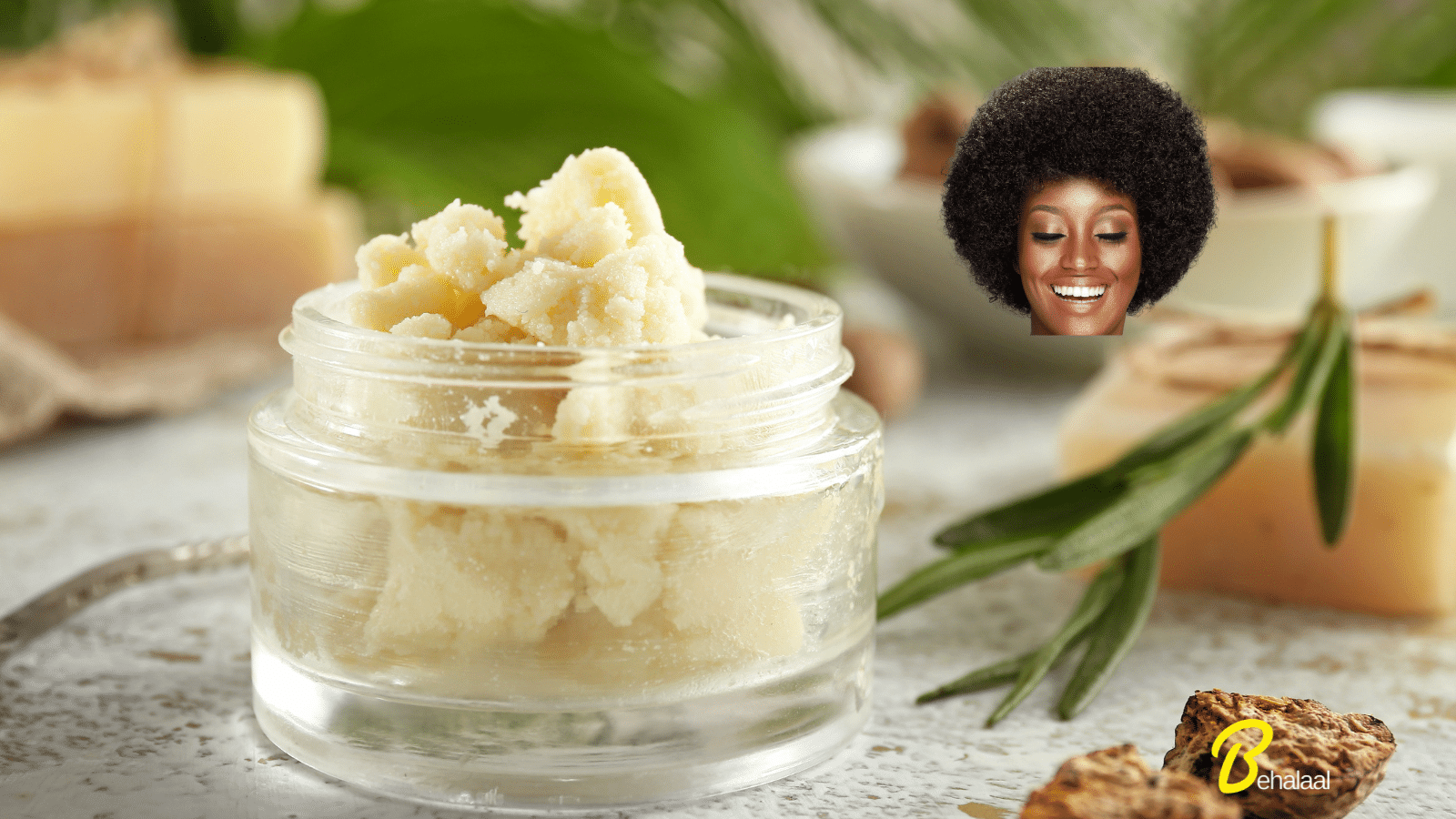
Article Outline
- H1: What Is Natural Shea Butter? Benefits, Uses, and Nutrition
- H2: What Is Natural Shea Butter?
- H3: Where Does Shea Butter Come From?
- H3: How Is Natural Shea Butter Made?
- H2: What Makes Natural Shea Butter Different?
- H3: Raw, Unrefined, and Refined Shea Butter
- H4: Why Processing Can Affect Shea Butter
- H2: Shea Butter Nutrition and Composition
- H3: Fatty Acids in Shea Butter
- H3: Vitamins and Other Naturally Occurring Compounds
- H2: Benefits of Natural Shea Butter for Skin
- H3: Helps Moisturize Dry Skin
- H3: Supports the Skin Barrier
- H2: Natural Shea Butter for Hair
- H3: Uses for Dry Hair and Scalp
- H2: Everyday Uses of Shea Butter
- H3: Body Care and Lip Care
- H3: Cooking and Food Applications
- H2: How to Use Natural Shea Butter
- H3: Tips for Choosing Quality Shea Butter
- H2: Is Natural Shea Butter Safe?
- H2: Conclusion
- H3: Frequently Asked Questions
- H2: What Is Natural Shea Butter?
What Is Natural Shea Butter? Benefits, Uses, and Nutrition
Natural shea butter is one of those traditional ingredients that seems simple at first glance but becomes much more interesting once you look beneath the surface. It is a rich plant-based fat obtained from the nuts of the shea tree, Vitellaria paradoxa, a tree native to parts of Africa. For generations, shea butter has been used in African communities for skin care, hair care, cooking, and other household purposes. Today, it has moved far beyond its traditional roots and can be found in lotions, body creams, soaps, lip products, hair products, and many other personal-care formulations.
But what exactly makes natural shea butter so popular? Is it simply a thick moisturizer, or does its natural composition explain why people have relied on it for so long? The answer starts with its fats. Shea butter contains a mixture of fatty acids and other naturally occurring compounds, and its composition can vary depending on factors such as geographical origin, processing method, and the particular shea nuts used. Research has found substantial variation among shea samples from different African countries, which is one reason why two products labelled “shea butter” can look, smell, and feel noticeably different.
For people interested in simple, plant-based body care, natural shea butter can be a versatile ingredient. It can be applied directly to the skin, incorporated into homemade body-care recipes, used on dry areas such as elbows and heels, or included in hair-care routines. Its thick texture also makes it especially useful when you want something that helps reduce the feeling of dryness rather than disappearing immediately after application.
What Is Natural Shea Butter?
Natural shea butter is a semi-solid vegetable fat extracted from the kernels of the fruit of the Vitellaria paradoxa tree. The shea tree grows across the African shea belt, and the nuts have traditionally been collected, processed, and transformed into butter using a variety of local methods. The resulting butter is naturally rich in lipids, which explains its dense texture and characteristic ability to leave a protective, emollient layer on the skin.
Unlike a lightweight plant oil, shea butter is generally solid or semi-solid at ordinary room temperatures and becomes softer when warmed. Put a small amount between your palms and body heat can make it easier to spread. That simple characteristic makes it particularly convenient for body care because you can scoop out a small quantity, warm it between your hands, and massage it into the skin.
Natural shea butter is also not a single chemical compound. It is a complex mixture of fats and minor components. Reviews of shea products have identified fatty acids, triglycerides, and unsaponifiable components among its constituents, while research also shows that composition can vary significantly between samples.
Where Does Shea Butter Come From?
The source of shea butter is the shea nut, which comes from the fruit of the shea tree. The tree is deeply connected to rural economies and traditional practices across several African countries. Once the fruit is harvested, the edible pulp is separated from the nut, after which the kernels can be processed to extract their fat.
Traditional production may involve several stages, including drying, crushing, roasting, grinding, mixing or churning, separating the fat, heating, filtering, and cooling. The precise method differs between communities and producers. These differences matter because processing can influence the final colour, aroma, texture, stability, and composition of the butter.
Research examining shea products describes traditional extraction as involving processes such as roasting and pressing the kernels, followed by additional separation and purification steps. The resulting fat has historically been used in food preparation as well as cosmetic and other applications.
How Is Natural Shea Butter Made?
Making shea butter is much more involved than simply crushing a nut and squeezing out an oil. After harvesting and processing the kernels, the fat has to be separated from the other plant materials. Traditional producers may use mechanical and water-based processes to release and separate the fat.
The butter is then collected and allowed to cool. Depending on the processing method, the final product may retain more of the naturally occurring components present in the original kernels. This is one reason why unrefined shea butter may have a characteristic natural aroma and colour that differs from highly refined commercial shea butter.
The production method can also influence the sensory experience. Some shea butters are creamy and relatively smooth, while others are firmer or slightly grainy. Those differences do not automatically mean that one product is good and another is bad; they may simply reflect differences in sourcing, processing, storage, and formulation.
What Makes Natural Shea Butter Different?
The phrase natural shea butter usually brings to mind a minimally processed ingredient that retains much of the character of the original shea kernel. Depending on the producer, this may mean a butter with a cream, ivory, beige, or slightly yellow appearance and a recognizable nutty or earthy aroma.
The important point is that “natural” does not automatically tell you everything about quality. A good product should still be produced, handled, packaged, and stored appropriately. Botanical ingredients can be affected by impurities, oxidation, moisture, heat, and poor storage conditions. A 2024 safety assessment of shea-derived cosmetic ingredients emphasized the importance of good manufacturing practices and concluded that the assessed shea-derived ingredients were safe under the stated cosmetic conditions when formulated to be non-sensitizing.
Raw, Unrefined, and Refined Shea Butter
Although these terms are often used interchangeably in everyday shopping, they can describe products that have undergone different levels of processing.
Raw or minimally processed shea butter generally retains more of the original sensory characteristics of the shea kernels. It may have a stronger natural scent and a deeper colour.
Unrefined shea butter is typically processed without the extensive refining steps used to produce highly purified commercial fats. Depending on the producer, it may retain more naturally occurring minor compounds.
Refined shea butter undergoes additional processing designed to remove or reduce components that affect colour, odour, flavour, or other characteristics. This can create a more neutral-looking and neutral-smelling ingredient that works well in commercial formulations.
There is no need to assume that every refined product is inferior or that every unrefined product is automatically superior. The better choice depends on what you want from the ingredient, how it was produced, and whether the product meets appropriate quality and safety standards.
Why Processing Can Affect Shea Butter
Processing can change the physical and chemical characteristics of shea butter. Scientific research has specifically examined how refining and fractionation affect fatty acids, antioxidant-related compounds, tocopherols, phytosterols, and other minor components.
Think of it like fresh fruit being turned into different food products. The original ingredient is still the starting point, but every processing step can change what remains and how the final product behaves. With shea butter, factors such as heating, filtering, refining, fractionation, and storage can influence its colour, aroma, texture, stability, and composition.
This is particularly relevant when shopping for natural shea butter. If your goal is a minimally processed ingredient for traditional body care, you may prefer an unrefined option. If you are making a product where colour and odour need to be very neutral, refined shea butter may be more practical.
Shea Butter Nutrition and Composition
When people hear the word nutrition, they often think about foods that provide protein, carbohydrates, vitamins, minerals, and calories. Shea butter is different because it is primarily a fat. Its nutritional profile therefore needs to be understood in the context of dietary fats rather than as a multivitamin or mineral supplement.
Research on shea products shows that the kernels contain substantial amounts of fat and that the extracted butter consists largely of triglycerides and fatty acids. The precise composition can vary considerably depending on the source and processing conditions.
Shea butter also contains minor components that distinguish it from many other edible fats. These include unsaponifiable substances and compounds such as tocopherols and phytosterols. However, the exact quantities can vary, so it is not accurate to treat every spoonful or every batch of shea butter as having exactly the same nutritional composition.
Fatty Acids in Shea Butter
The fatty acids are a major reason for shea butter’s distinctive texture and performance. Research has identified stearic acid and oleic acid among its major fatty acids, alongside smaller amounts of other fatty acids such as palmitic and linoleic acids. The balance can vary depending on geographic origin.
This fatty-acid profile contributes to the fact that shea butter is firm at room temperature but softens with warmth. It also helps explain why it is widely used as an emollient ingredient in cosmetic products.
If you are using shea butter on your skin, you do not need to memorize every fatty acid. What matters practically is that these lipids contribute to its rich, conditioning feel. When applied to dry skin, shea butter can help reduce the uncomfortable sensation associated with dryness and leave the surface feeling softer.
Vitamins and Other Naturally Occurring Compounds
Shea butter can contain naturally occurring minor compounds, including tocopherols and other unsaponifiable components. Some analyses have also identified compounds associated with antioxidant activity. However, the amount present depends on the raw material and processing method, so broad claims about shea butter being a major vitamin source should be treated carefully.
This distinction is important for consumers. Saying that an ingredient contains naturally occurring compounds is not the same as saying that applying it to the skin delivers a nutritional dose of a particular vitamin. Skincare and nutrition are related but different subjects.
If you are consuming shea butter as a food ingredient, remember that it is still a concentrated source of fat and should be considered within the overall dietary pattern. Traditional food use does not automatically make every cosmetic-grade shea product suitable for eating.
Benefits of Natural Shea Butter for Skin
One of the most familiar uses of shea butter is skincare. Its rich, lipid-based texture makes it particularly popular among people who experience rough, dry, or tight-feeling skin. Rather than behaving like a watery lotion, shea butter sits on the skin as a richer emollient and can help reduce the sensation of dryness.
Scientific reviews have examined vegetable butters and oils, including shea butter, in relation to skin barrier function and several dermatological conditions. The evidence is more nuanced than social-media claims sometimes suggest, and results depend on the specific product, formulation, skin condition, and frequency of use.
That makes shea butter best viewed as a supportive skincare ingredient, not a universal treatment for every skin problem.
Helps Moisturize Dry Skin
Dry skin often feels rough because the outer layer of the skin is not retaining moisture effectively. A rich emollient such as shea butter can make the skin feel smoother and more comfortable by coating the surface with lipids.
This is why many people reach for shea butter after bathing. Applying it while the skin still has a little moisture can make the routine feel especially effective because the butter helps reduce that freshly-washed, tight sensation.
Common areas include the hands, elbows, knees, feet, ankles, and other places that tend to become rough. You do not need a large amount. A little can go a surprisingly long way once warmed between the palms.
Supports the Skin Barrier
The skin barrier is essentially your body’s outer protective layer. Think of it like the walls and roof of a house: when everything is intact, the inside environment is better protected from the outside world.
Lipid-rich moisturizers can help support the feel and function of this outer layer. Research reviewing vegetable oils and butters has investigated their potential effects on the skin barrier, including studies involving shea butter. The evidence suggests that the properties of different oils and butters can vary, so skincare should always take the particular ingredient and individual’s skin response into account.
For everyday use, this means shea butter can be a practical option when your goal is simple moisturization and conditioning rather than aggressive treatment.
Natural Shea Butter for Hair
Shea butter has also been part of African hair-care traditions for generations. Its thick texture can make it useful for conditioning dry-feeling hair, protecting the ends, and helping create a smoother finish. It can be especially useful for people who prefer richer products rather than lightweight sprays or watery leave-ins.
However, hair type matters. A small amount may be enough for fine hair, while thicker or highly textured hair may tolerate more. Too much shea butter can leave some hair looking heavy or greasy, especially when combined with other rich oils and creams.
Uses for Dry Hair and Scalp
A small amount of softened shea butter can be worked through the hair, particularly toward the ends where dryness may be more noticeable. Some people also incorporate it into homemade hair masks or combine it with other plant oils.
For the scalp, personal tolerance matters. If you have a sensitive scalp or a persistent scalp condition, adding heavy oils or butters is not necessarily the right solution. Persistent itching, scaling, irritation, or hair loss deserves professional evaluation rather than relying entirely on a cosmetic ingredient.
The simplest approach is often the best: start with a small amount, observe how your hair responds, and adjust accordingly.
Everyday Uses of Shea Butter
The versatility of natural shea butter is part of its appeal. One container can potentially serve several purposes in a personal-care routine. You can use it as a body moisturizer, hand cream, lip-care ingredient, foot balm, or an ingredient in homemade formulations.
Its texture also makes it useful during colder weather or in environments where skin becomes particularly dry. In warm climates, however, shea butter can soften considerably, so proper storage becomes important.
Body Care and Lip Care
For body care, warm a small amount between your palms before applying it. This transforms a firm butter into a smooth layer that spreads more easily.
For particularly dry areas, you can apply it after bathing or before bed. Hands, feet, elbows, knees, and cuticles are common places where a richer moisturizer can be useful.
Shea butter can also be incorporated into lip-care products because it provides a smooth, conditioning texture. If you are using it around the lips, choose a product intended for that purpose and avoid using products containing ingredients that are not appropriate for oral exposure.
Cooking and Food Applications
Shea butter has a history of food use, and scientific reviews describe shea fat as an ingredient used in food preparation as well as cosmetics.
However, cosmetic shea butter should not automatically be treated as food-grade shea butter. Products manufactured for skincare may not meet the standards, processing requirements, or intended use of edible products.
If you want to consume shea butter, look specifically for a product labelled and produced for food use. If the packaging identifies it solely as a cosmetic ingredient, keep it in your skincare routine.
How to Use Natural Shea Butter
Using natural shea butter does not require a complicated routine. Start with a small amount and warm it between your palms until it softens. Then massage it gently onto clean skin.
For hair, begin with an even smaller amount because the product is concentrated and rich. You can apply it to the ends, incorporate it into a hair treatment, or blend it with another suitable hair-care ingredient.
If you are new to shea butter, testing a small area first can be sensible, particularly if you have sensitive skin. Stop using it if you develop irritation or an unwanted reaction.
Tips for Choosing Quality Shea Butter
When shopping for natural shea butter, look beyond the word “natural” on the label. Check the ingredient list, packaging, storage instructions, manufacturer information, and intended use.
A quality product should be appropriately packaged and stored to protect it from excessive heat, moisture, contamination, and prolonged exposure to air. The appearance and aroma can vary naturally, particularly with unrefined butter, so colour alone is not a reliable quality test.
If you are specifically looking for natural shea butter for personal care, Behalaal Marketplace is one place to explore available options. When purchasing, always read the product description and label carefully so you know whether the particular product is intended for cosmetic, culinary, or another use.
Is Natural Shea Butter Safe?
For most people, shea butter is widely used as a cosmetic emollient and conditioning ingredient. A 2024 Cosmetic Ingredient Review safety assessment evaluated 13 shea-derived ingredients and concluded that they were safe under the assessed cosmetic practices and concentrations when formulated to be non-sensitizing.
That does not mean that every person will respond identically. Any botanical ingredient can potentially cause irritation or sensitivity in an individual, and the complete formulation matters just as much as the headline ingredient.
It is also important not to confuse cosmetic safety with medical treatment. Shea butter may help moisturize and condition the skin, but it should not be presented as a cure for eczema, infections, burns, wounds, or other medical conditions. In particular, evidence from experimental research should not be turned into a promise that shea butter will heal a particular condition in humans.
If you have a persistent skin problem, severe irritation, an open wound, or a known allergy, getting appropriate medical advice is more appropriate than experimenting with increasingly large amounts of a cosmetic butter.
Conclusion
Natural shea butter is much more than a trendy skincare ingredient. It is a traditional African plant fat with a long history of use in skin care, hair care, and food preparation, and its popularity today is closely connected to its rich texture and naturally occurring lipid composition.
Its major fatty acids, including stearic and oleic acids, contribute to its characteristic consistency and emollient properties, while other naturally occurring components can vary depending on the shea’s geographic origin and processing method.
For everyday skincare, the biggest attraction is its simplicity. A small amount can help soften dry-feeling skin, condition rough areas, and provide a richer alternative to lightweight moisturizers. For hair, it can be useful when a heavier conditioning ingredient is appropriate.
The key is to choose the right product for the right purpose. Natural does not automatically mean suitable for every application, and cosmetic-grade shea butter should not automatically be consumed. Read the label, consider how the product was processed, store it properly, and pay attention to how your own skin and hair respond.
If you are looking for natural shea butter for your personal-care routine, you can explore the options available on Behalaal Marketplace and choose according to your specific needs.
Frequently Asked Questions
1. What is natural shea butter made from?
Natural shea butter is made from the kernels of the fruit of the Vitellaria paradoxa, commonly known as the shea tree. The kernels are processed to extract their natural fat, which is then collected and cooled into the familiar semi-solid butter.
2. Is natural shea butter good for dry skin?
Shea butter is commonly used as an emollient for dry-feeling skin because of its rich lipid content and thick, conditioning texture. It can help make rough or dry areas feel softer and more comfortable when used as part of a regular moisturizing routine.
3. Can shea butter be used on hair?
Yes. Shea butter can be used as a conditioning ingredient for hair, particularly when hair feels dry or needs a richer product. Because it is thick, start with a small quantity to avoid weighing the hair down.
4. Does shea butter contain vitamins?
Shea butter can contain naturally occurring minor components, including tocopherols, and some analyses have identified vitamin-related compounds. However, the exact composition varies with the source and processing method, so it should not be treated as a standardized vitamin supplement.
5. Where can I buy natural shea butter?
Natural shea butter is available from different retailers and suppliers. Behalaal Marketplace is one option where you can explore available products. Always check the product description and label to confirm the intended use and ingredients before purchasing.
DISCLAIMER
This blog has not been approved by your local health department and is not intended to provide diagnosis, treatment, or medical advice. The content provided on this blog is for informational purposes only. Please consult with a physician or other healthcare professional regarding any medical or health-related diagnosis or treatment options. Information on this blog should not be considered as a substitute for advice from a healthcare professional. The claims made about specific products throughout this blog are not approved to diagnose, treat, cure, or prevent disease.


