Kosher Vitamin A, B, C, D, E, & K
 Prenatal & Postnatal Vitamins
 Children’s Multivitamins
 Vitamin C & Zinc Boosters

 Detox & Cleansing
 Herbal Teas
 Herbal Bitters & Detox
 Turmeric & Curcumin
 Green Tea Extract


Acai Berry Nutrition Facts: Calories, Vitamins, and Minerals


Article Outline
- H1: Acai Berry Nutrition Facts: Calories, Vitamins, and Minerals
- H2: What Is Acai Berry?
- H3: Where Does Acai Berry Come From?
- H2: Acai Berry Nutrition at a Glance
- H3: How Many Calories Are in Acai Berry?
- H2: Acai Berry Macronutrients
- H3: Carbohydrates and Natural Sugar
- H3: Fat, Protein, and Fiber
- H2: Vitamins Found in Acai Berry
- H3: Vitamin A and Other Vitamins
- H2: Minerals in Acai Berry
- H3: Calcium, Magnesium, Iron, and Other Minerals
- H2: Acai Berry Antioxidants and Anthocyanins
- H3: Why Is Acai Naturally Purple?
- H2: Acai Berry vs. Other Berries
- H2: Fresh, Frozen, Powdered, and Processed Acai
- H2: How to Add Acai to Your Diet
- H2: Is Acai Berry High in Sugar?
- H2: Is Acai Good for Weight Management?
- H2: What to Look for When Buying Acai
- H2: Acai Berry Nutrition: What the Research Says
- H2: Frequently Asked Questions
- H2: Conclusion
- H2: What Is Acai Berry?
What Is Acai Berry?
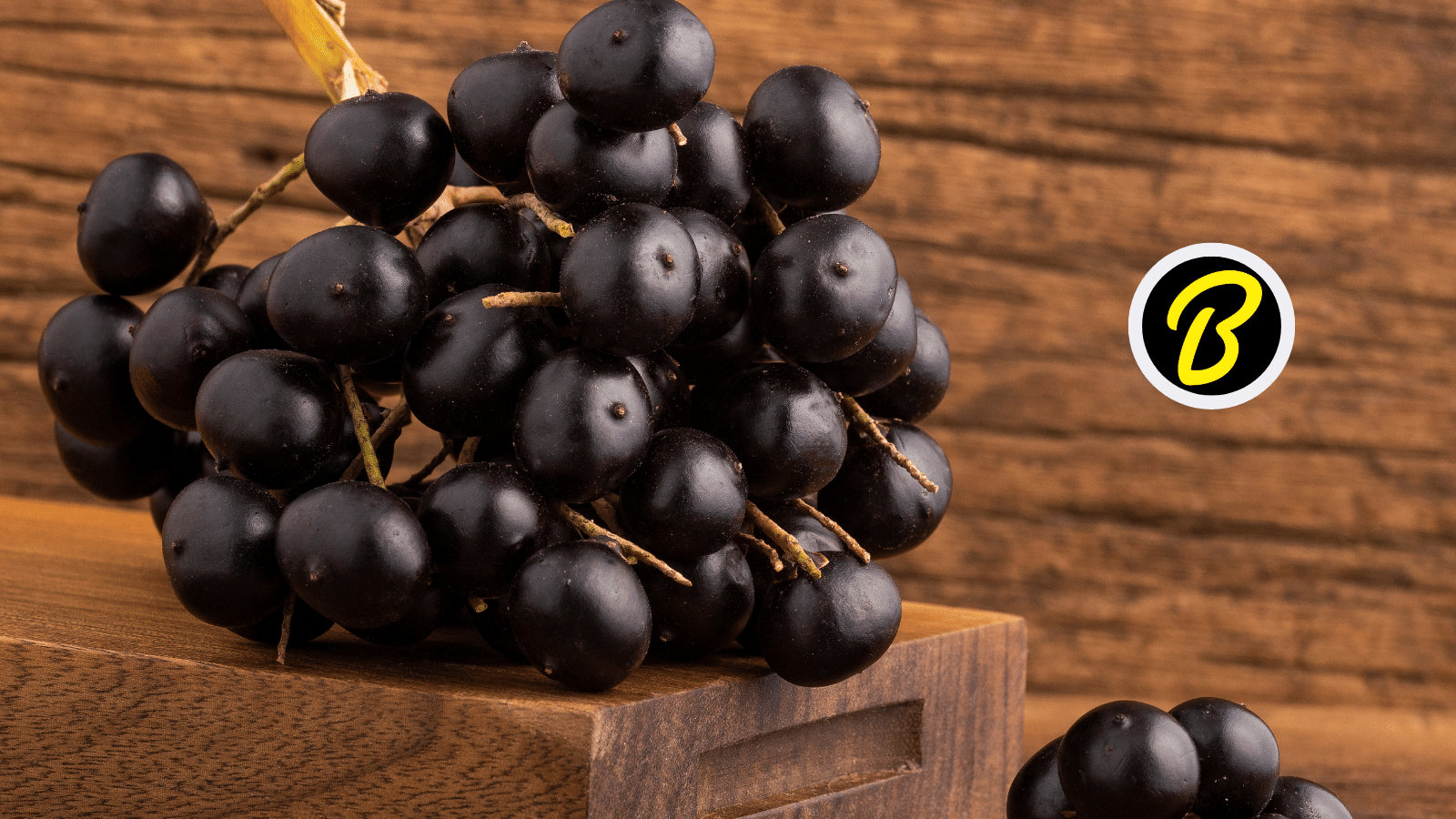
Acai, pronounced ah-sah-EE, is a small, dark-purple fruit that grows on palm trees native to the Amazon region of South America. The fruit comes from the Euterpe genus, particularly Euterpe oleracea, and has traditionally been an important food in parts of the Amazon. Today, acai has moved far beyond its place of origin and is commonly found as frozen pulp, powder, juice, smoothie ingredients and other processed products. Its deep purple color makes it instantly recognizable, but the color is more than just attractive: it comes largely from naturally occurring anthocyanins, a group of plant compounds belonging to the polyphenol family.
One interesting thing about acai is that it does not behave nutritionally like many of the sweet berries people are used to eating. Acai pulp contains relatively little sugar compared with many fruit products, while providing fat, dietary fiber and various plant compounds. A 100-gram serving of frozen acai cited by Cleveland Clinic provides about 75 calories, 5.4 grams of carbohydrates, 6.3 grams of fat, 3.8 grams of fiber and 1.1 grams of protein, although the nutrition of a particular product can vary depending on how it is processed and whether ingredients are added.
That difference is worth understanding because the word “acai” on a package does not automatically mean the product has the same nutrition as plain acai pulp. A sweetened smoothie bowl, flavored drink or dessert can contain considerably more calories and sugar because of added ingredients such as syrups, honey, fruit juice or granola. So when you’re researching acai berry nutrition facts, it helps to look beyond the fruit’s reputation and pay attention to the actual form you’re consuming.
Where Does Acai Berry Come From?
Acai palms thrive in tropical areas of Central and South America, with the fruit being strongly associated with the Amazon region. The berries are small and contain a large seed, with the edible portion being mainly the surrounding pulp. Cleveland Clinic notes that the seed can account for as much as 80% of the berry, which helps explain why commercially available acai is usually processed into pulp or other forms rather than eaten like a typical whole berry.
Fresh acai is also highly perishable. This is one reason consumers outside producing regions generally encounter it in frozen, powdered or processed forms rather than as freshly harvested fruit. Processing and preservation make it possible to transport and use acai much farther from where it grows, but they also mean that the nutritional profile can differ from one product to another. A plain frozen pulp, unsweetened powder and sweetened acai beverage should therefore not be treated as nutritionally identical foods.
Acai Berry Nutrition at a Glance
When people search for acai berry nutrition facts, they usually want a quick answer: How many calories does it have, what vitamins does it contain, and which minerals are present? The answer depends on the form of acai being measured. For plain frozen acai, Cleveland Clinic reports approximately 75 calories per 100 grams, along with 5.4 grams of carbohydrates, 6.3 grams of fat, 3.8 grams of fiber, 1.1 grams of protein and 5 milligrams of sodium.
| Nutrient | Approximate amount per 100 g frozen acai |
|---|---|
| Calories | 75 kcal |
| Carbohydrates | 5.4 g |
| Fat | 6.3 g |
| Dietary fiber | 3.8 g |
| Protein | 1.1 g |
| Sugar | 1.1 g |
| Sodium | 5 mg |
These figures are useful as a general reference, not as a universal number for every acai product. Commercial powders may be concentrated because water has been removed, while smoothie products may contain bananas, dates, sweeteners or other ingredients. This is why the nutrition label on the particular acai product you’re buying remains the most useful source for serving-specific information.
How Many Calories Are in Acai Berry?
Plain acai is relatively moderate in calories for a fruit product, with approximately 75 calories per 100 grams of frozen acai according to Cleveland Clinic. That makes it possible to include acai in a balanced meal or snack without automatically turning it into a high-calorie food. The bigger calorie question often comes from what is added around the acai rather than the acai itself. A bowl topped with large amounts of granola, nut butter, sweetened coconut, chocolate or syrup can be very different nutritionally from a simple serving of unsweetened acai blended with fresh fruit.
This is one of those situations where the “healthy food” label can become misleading if you stop reading at the ingredient name. Acai can certainly be part of a nutrient-conscious diet, but portion size and preparation still matter. If you’re watching your calorie intake, compare the serving size and nutrition panel rather than assuming that every purple smoothie bowl has the same nutritional value. The fruit itself is only one part of the finished meal.
Acai Berry Macronutrients
Macronutrients are the nutrients your body needs in relatively larger quantities: carbohydrates, fats and protein. Acai has an unusual profile compared with many familiar berries because it provides a meaningful amount of fat alongside carbohydrates and fiber. In the 100-gram frozen serving cited above, acai contains about 6.3 grams of fat, 5.4 grams of carbohydrates, 3.8 grams of fiber and 1.1 grams of protein.
The presence of fat does not automatically make acai an unhealthy choice. Dietary fats perform important functions in the body, and acai’s lipid profile has been described in research as containing unsaturated fatty acids, including oleic and linoleic acids. Recent scientific reviews describe acai pulp as containing a distinctive combination of anthocyanins, polyphenols, dietary fiber and unsaturated fatty acids.
Carbohydrates and Natural Sugar
Acai is not particularly high in carbohydrates compared with many sweet fruits or sweetened fruit products. Cleveland Clinic’s cited figure is 5.4 grams of carbohydrates and 1.1 grams of sugar per 100 grams of frozen acai. That naturally low sugar content is one reason unsweetened acai can work well in recipes where you want a rich berry flavor without relying heavily on added sugar.
But here’s where things can get confusing: an acai product can be low in naturally occurring sugar while the finished food is high in sugar. If acai is blended with sweetened fruit juice, syrups or other sweeteners, the nutritional picture changes. When shopping, look for terms such as unsweetened acai, and check the ingredient list and nutrition facts panel instead of relying only on the word “acai” on the front of the package.
Fat, Protein, and Fiber
Acai contains a small amount of protein but is not a major protein source. The more interesting macronutrient features are its dietary fiber and fat content. About 3.8 grams of fiber per 100 grams of frozen acai is reported by Cleveland Clinic, making it a useful contribution to daily fiber intake. Fiber supports normal digestive function and can contribute to feelings of fullness when included as part of an overall balanced eating pattern.
Acai also contains naturally occurring fats, which distinguish it from many common berries. Scientific reviews have identified unsaturated fatty acids among the characteristic components of acai pulp. Still, it is important to keep perspective: eating acai does not replace the need for a varied diet containing other sources of healthy fats, protein, whole grains, vegetables and fruits.
Vitamins Found in Acai Berry
Acai contains vitamins, but it is better described as a food containing a mix of nutrients and bioactive plant compounds rather than as a concentrated multivitamin. The exact vitamin levels can vary according to variety, growing conditions, ripeness and processing. This is especially relevant when comparing fresh fruit, frozen pulp and powdered products because processing can alter the concentration or availability of individual nutrients.
People sometimes see the word “superfood” and expect one serving to deliver huge amounts of every vitamin and mineral. That isn’t really how nutrition works. A food can be valuable because it contributes several nutrients and plant compounds without being the richest source of any single vitamin. Acai’s appeal is particularly connected with its polyphenols and anthocyanins, alongside its fiber and other nutritional components.
Vitamin A and Other Vitamins
Acai contains carotenoid compounds, including lutein and beta-carotene-related compounds, that have been identified in analyses of its phytochemical profile. However, the amount of a particular vitamin in a serving depends heavily on the product and processing method. This means it would be misleading to treat acai as though it provides the same vitamin profile as a highly concentrated vitamin-rich food.
The practical takeaway is simple: enjoy acai as one component of a varied diet rather than using it as a substitute for vegetables, fruits or other vitamin-rich foods. Pairing acai with ingredients such as berries, leafy greens, seeds, oats or other whole foods can create a more nutritionally diverse meal.
Minerals in Acai Berry
Minerals are another interesting part of acai berry nutrition facts. Research examining commercial and non-commercial acai samples has identified minerals including calcium, magnesium, manganese, iron, zinc and copper. These minerals are needed for different functions throughout the body, from normal bone and muscle function to oxygen transport and enzyme activity.
The important point is that detecting a mineral in a food is not the same thing as saying that the food provides a large percentage of your daily requirement. The amount you actually consume depends on the serving size, the type of acai product and its processing. A varied eating pattern remains the most reliable way to obtain a broad range of essential micronutrients.
Calcium, Magnesium, Iron, and Other Minerals
Studies examining acai composition have reported measurable levels of several essential and trace elements, including calcium, magnesium, manganese, iron, zinc and copper. Each has a different role in normal physiology. For example, iron is involved in oxygen transport, magnesium participates in many biochemical reactions, calcium supports bones and teeth, and zinc contributes to immune and cellular functions.
Rather than focusing on one mineral as a reason to consume acai, it makes more sense to view these minerals as part of the fruit’s overall nutritional package. Acai can contribute to dietary variety, but it should sit alongside other mineral-rich foods such as legumes, nuts, seeds, whole grains, vegetables and other fruits.
Acai Berry Antioxidants and Anthocyanins
If there is one nutritional feature that makes acai particularly interesting, it is its polyphenol and anthocyanin content. Anthocyanins are plant pigments responsible for the red, blue and purple colors found in many fruits and vegetables. In acai, compounds including cyanidin-3-glucoside and cyanidin-3-rutinoside have been identified among its major anthocyanins.
Research has found substantial variation in anthocyanin concentrations between acai samples and products. One review of anthocyanin-rich fruits reported a broad range for acai depending on the sample and analytical method, illustrating why it is difficult to give one universal number for every product. This variation also explains why different acai powders or supplements may not necessarily have identical antioxidant profiles.
Why Is Acai Naturally Purple?
The rich purple appearance of acai comes largely from anthocyanin pigments. Think of these compounds as part of the plant’s natural chemical toolkit: they contribute color while also belonging to the broader family of polyphenolic compounds being studied for their biological activity. Scientific research has found anthocyanins and other flavonoids in acai, including cyanidin derivatives and proanthocyanidins.
That does not mean the color itself proves a specific health outcome. Laboratory research and human nutrition research are different things, and researchers continue to investigate how acai’s compounds behave in the body. Recent reviews describe promising biological activity but also emphasize that human clinical evidence remains limited for many specific health claims.
Acai Berry vs. Other Berries
Acai is often grouped together with blueberries, blackberries, raspberries and other colorful fruits because they all contain polyphenols and other plant compounds. But nutritionally, acai has some differences. Its relatively low natural sugar content, higher fat content and distinctive anthocyanin profile make it different from many common berries.
| Feature | Acai | Many common berries |
|---|---|---|
| Natural sugar | Relatively low | Often higher |
| Dietary fiber | Provides fiber | Generally provides fiber |
| Fat | Contains notable natural fat | Usually very low |
| Anthocyanins | Rich source, varies by sample | Also found in many dark-colored berries |
| Typical commercial form | Frozen pulp, powder | Fresh or frozen whole fruit |
| Processing considerations | Often processed because fresh fruit is highly perishable | Fresh and frozen forms widely available |
There is no need to turn this into a competition between fruits. Different berries provide different combinations of nutrients and phytochemicals, and variety is generally more useful than relying on one “superfood.” Acai can be a delicious addition to a varied diet without needing to replace other fruits.
Fresh, Frozen, Powdered, and Processed Acai
The form of acai you choose matters. Frozen acai pulp is common because fresh fruit is highly perishable, while acai powder offers convenience and can easily be mixed into smoothies, yogurt or oatmeal. Juices and ready-to-drink products may also be available, but these can contain added sugar depending on how they are formulated.
Research has also shown why consumers should pay attention to product quality. A study examining 20 commercially available acai supplements in different forms found substantial variation in anthocyanin and phenolic content, with some products containing little or no acai fruit or having other ingredients that affected their chemical profile. That makes reading labels particularly important when buying powders and supplements.
How to Add Acai to Your Diet
One of the easiest ways to enjoy acai is to use it in a smoothie. You can blend unsweetened acai with banana, berries, yogurt or milk and adjust the texture to your preference. Another simple option is an acai bowl topped with fresh fruit, seeds, oats or a modest amount of granola. The goal is not to create the most extravagant bowl on social media; it is to build a meal you actually enjoy and that fits your overall eating pattern.
Acai powder is especially convenient because you can add a small amount to foods you already eat. Stir it into yogurt, blend it into smoothies, mix it with oats or use it in homemade recipes. If you are buying a packaged acai product, check whether it is pure acai or contains added sugar, sweeteners, fillers or other ingredients. Cleveland Clinic similarly recommends checking labels for added sugars, sweeteners and fillers when choosing acai products.
Is Acai Berry High in Sugar?
Plain acai is relatively low in natural sugar. Cleveland Clinic reports about 1.1 grams of sugar per 100 grams of frozen acai. This is quite different from many sweetened acai bowls or beverages, where additional ingredients can substantially increase the sugar content.
So, if you’re trying to understand the sugar content of an acai product, don’t stop at the fruit name. Look at the nutrition label, especially the serving size, total sugars and added sugars. A plain or unsweetened product can be very different from one marketed as an acai dessert.
Is Acai Good for Weight Management?
Acai can fit into a weight-conscious eating pattern, but it should not be treated as a weight-loss miracle food. Its fiber content can contribute to fullness, and plain acai is relatively low in natural sugar, but your overall calorie intake still matters. A large smoothie bowl loaded with calorie-dense toppings can contain far more energy than the acai itself.
There is also an important distinction between eating acai as a food and taking acai supplements marketed for rapid weight loss or detoxification. Cleveland Clinic advises against acai cleanses, noting that there is no evidence supporting their detox claims and that such approaches can carry risks. A sensible approach is to enjoy acai as food rather than expecting it to perform a special cleansing function.
What to Look for When Buying Acai
When you’re shopping for acai, start with the ingredient list. If you’re specifically looking for plain acai, choose a product where acai is the main ingredient and check whether sugar or other sweeteners have been added. This is especially important with frozen smoothie packs, juices and ready-made bowls.
You should also consider the form and serving size. A powder may be more concentrated by weight than frozen pulp because much of the water has been removed, so the numbers on the nutrition panel cannot always be compared gram-for-gram. If you’re purchasing a supplement rather than a food product, product quality becomes even more important because research has found substantial variation among commercially available acai supplements.
Acai Berry Nutrition: What the Research Says
Scientific interest in acai has grown because of its combination of polyphenols, anthocyanins, fiber and unsaturated fatty acids. Reviews have documented a range of biological activities in laboratory and animal research, including antioxidant and anti-inflammatory activity. However, researchers have also emphasized that the evidence from human clinical trials is more limited than some marketing claims suggest.
That distinction matters. A food can contain interesting compounds without proving that eating it will prevent or treat a particular disease. Current evidence supports viewing acai as a nutrient-containing fruit with an interesting phytochemical profile, not as a substitute for medical treatment or a guaranteed solution for a specific health condition.
Acai Berry at Behalaal Marketplace
If you’re looking to add acai to your pantry, Acai Berry is available on Behalaal Marketplace. It can be a convenient option for people who want to explore acai and incorporate it into smoothies, bowls or other everyday recipes.
Before purchasing, take a moment to review the product’s serving information and ingredient list so you know exactly what you’re getting. If your goal is to enjoy the natural character of acai, checking for added sugars and unnecessary ingredients is particularly useful. You can explore the available Acai Berry product on Behalaal Marketplace and choose a way to enjoy it that fits your routine.
Conclusion
Acai berry nutrition is more interesting than its bright purple color suggests. Plain frozen acai provides approximately 75 calories per 100 grams, along with dietary fiber, carbohydrates, fat and a small amount of protein. It also contains a variety of plant compounds, particularly anthocyanins and other polyphenols, while research has identified minerals such as calcium, magnesium, manganese, iron, zinc and copper in acai samples.
The biggest thing to remember is that not all acai products are nutritionally identical. Frozen pulp, powder, juice, smoothie bowls and supplements can have very different ingredient lists and nutrient profiles. Choosing products carefully, watching added sugars and treating acai as part of a varied diet can help you enjoy this distinctive Amazonian fruit without getting caught up in exaggerated “superfood” claims.
If you’ve been curious about acai, now you know what makes it different: a naturally low-sugar fruit with fiber, unsaturated fats and a particularly interesting collection of colorful plant compounds. Acai Berry is available on Behalaal Marketplace for those who want to explore this versatile ingredient and add it to their everyday recipes.
Frequently Asked Questions
1. How many calories are in 100 grams of acai?
About 75 calories are reported for 100 grams of frozen acai. The exact amount can vary depending on the product and whether additional ingredients have been added.
2. Is acai high in sugar?
Plain frozen acai is relatively low in natural sugar, with approximately 1.1 grams per 100 grams in the Cleveland Clinic nutrition figures. Sweetened acai products can contain considerably more sugar, so always check the label.
3. What vitamins and minerals are in acai?
Acai contains a variety of micronutrients and plant compounds. Research has identified minerals including calcium, magnesium, manganese, iron, zinc and copper, while its phytochemical profile includes carotenoids and several polyphenolic compounds.
4. Does acai contain antioxidants?
Yes. Acai contains anthocyanins and other polyphenols with antioxidant activity. However, the amount can vary considerably between different acai products, and antioxidant activity in laboratory research should not automatically be interpreted as a proven treatment or disease-prevention effect in humans.
5. Where can I buy Acai Berry?
Acai Berry is available on Behalaal Marketplace. Check the product listing for the current serving information, ingredients and product details before purchasing.
DISCLAIMER
This blog has not been approved by your local health department and is not intended to provide diagnosis, treatment, or medical advice. The content provided on this blog is for informational purposes only. Please consult with a physician or other healthcare professional regarding any medical or health-related diagnosis or treatment options. Information on this blog should not be considered as a substitute for advice from a healthcare professional. The claims made about specific products throughout this blog are not approved to diagnose, treat, cure, or prevent disease.