
 Kosher Vitamin A, B, C, D, E, & K
 Prenatal & Postnatal Vitamins
 Children’s Multivitamins
 Vitamin C & Zinc Boosters

 Detox & Cleansing
 Herbal Teas
 Herbal Bitters & Detox
 Turmeric & Curcumin
 Green Tea Extract


Fadogia Agrestis for Men: Benefits and Potential Uses

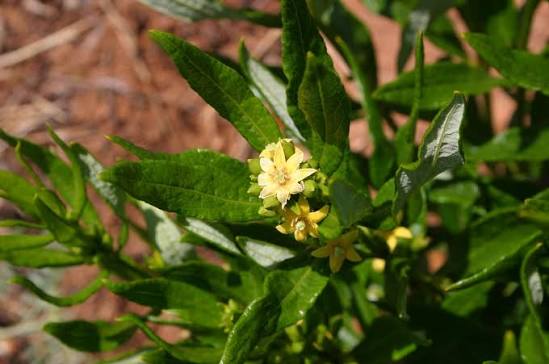
What Is Fadogia Agrestis?
Fadogia agrestis is a flowering plant native to parts of Africa and traditionally used in some West African herbal practices. In recent years, it has gained attention as a supplement marketed toward men, particularly for testosterone support, libido, and physical performance.
Its growing popularity is largely linked to animal studies suggesting that extracts of the plant may influence testosterone levels and sexual behaviour. However, this is where an important distinction must be made: animal research does not prove the same effects in humans.
Modern Fadogia agrestis supplements are commonly sold in capsules or powders, but there is currently limited human research on their effectiveness and long-term safety.
Potential Benefits of Fadogia Agrestis for Men
May Influence Testosterone Levels
The most popular claim surrounding Fadogia agrestis is its potential ability to support testosterone levels. A frequently cited animal study involving male rats found that an extract of Fadogia agrestis was associated with increased serum testosterone levels.
While this finding is interesting, there is currently insufficient evidence from human clinical trials to confirm that Fadogia agrestis increases testosterone in men. The human hormonal system is complex, and results seen in laboratory animals cannot automatically be applied to people.
For this reason, Fadogia agrestis should not currently be considered a proven natural treatment for low testosterone.
May Support Libido and Sexual Wellness
Fadogia agrestis has traditionally been associated with male sexual wellness and has been described in some herbal traditions as an aphrodisiac. Animal research has also reported changes in sexual behaviour, including increased sexual activity measures in male rats.
However, there is not enough reliable human research to confirm that the herb improves libido, erectile function, or sexual performance in men.
Low libido or sexual difficulties can also be linked to stress, poor sleep, hormonal changes, medication, or underlying health conditions. Instead of relying solely on supplements, persistent concerns should be properly evaluated.
Possible Interest for Fitness and Performance
Because testosterone is associated with muscle maintenance and physical performance, Fadogia agrestis has also attracted attention among gym enthusiasts and athletes.
The idea sounds simple: if the herb supports testosterone, perhaps it could also support muscle growth and exercise performance. However, there is currently no strong human clinical evidence showing that Fadogia agrestis improves muscle mass, strength, or athletic performance.
For men focused on physical results, consistent training, adequate protein intake, proper nutrition, and quality sleep remain far better-supported strategies.
What Does Human Research Say?
This is one of the most important things to understand about Fadogia agrestis for men: there is a major lack of high-quality human clinical research.
Most of the attention surrounding the herb comes from traditional use, animal studies, and supplement marketing. Human studies are needed to determine whether Fadogia agrestis can safely and consistently improve testosterone, libido, or physical performance.
Current evidence summaries also highlight the limited understanding of both its benefits and safety in humans.
Until more research becomes available, claims that Fadogia agrestis definitely boosts testosterone in men should be treated with caution.
Fadogia Agrestis and Low Testosterone
Men experiencing fatigue, reduced libido, mood changes, or reduced muscle mass may suspect low testosterone. However, these symptoms can have several causes and do not automatically mean testosterone levels are low.
Fadogia agrestis should not be considered a replacement for medical evaluation or prescribed treatment for clinically diagnosed low testosterone.
If symptoms persist, proper testing can help determine whether low testosterone is actually present and whether another health issue may be responsible.
Potential Side Effects and Safety Concerns
One of the biggest concerns surrounding Fadogia agrestis is the lack of sufficient human safety data. While some animal studies have created interest because of potential hormonal effects, other preclinical findings have raised concerns about possible toxicity at certain doses.
This does not automatically mean that everyone who takes Fadogia agrestis will experience harmful effects. However, it does mean that its long-term safety in humans remains uncertain.
Men who have existing health conditions, take regular medications, use hormone treatments, or have fertility concerns should be especially cautious and speak with a qualified healthcare professional before using the supplement.
Is There a Recommended Dosage?
There is currently no clinically established dosage of Fadogia agrestis based on high-quality human research.
Some commercial supplements contain amounts ranging from several hundred milligrams to around 1,000 mg per serving. However, the amount listed on a supplement label does not mean that the dosage has been scientifically proven to be safe or effective.
Different supplements may also contain different extracts and concentrations, making direct comparisons difficult.
NB- You can also get Fadogia Agrestis supplements from trusted vendors at Behalaal Marketplace.
How Should Men Approach Fadogia Agrestis?
The best approach is to separate marketing claims from scientific evidence. Before taking Fadogia agrestis, consider what you are trying to improve.
If your goal is better energy, testosterone support, libido, or physical performance, start with the basics that have stronger scientific support:
- Regular exercise and resistance training
- Adequate sleep
- A balanced diet with sufficient protein and nutrients
- Stress management
- Medical evaluation for persistent symptoms
Fadogia agrestis may continue to attract scientific interest, but current evidence does not establish it as a proven solution for men’s hormonal or sexual health.
Conclusion
Fadogia agrestis is an interesting herbal supplement, but the science behind its benefits for men is still limited. Animal studies suggest that it may influence testosterone and sexual behaviour, but these findings have not been confirmed through strong human clinical trials.
For now, it is best described as a supplement with potential rather than proven benefits. Its long-term safety and effective dosage in humans also remain unclear.
Men interested in improving testosterone, libido, energy, or physical performance should approach Fadogia agrestis cautiously and focus on evidence-based lifestyle habits and appropriate medical advice when necessary.
Frequently Asked Questions
1. Does Fadogia agrestis increase testosterone?
Animal studies suggest that it may influence testosterone levels, but there is currently insufficient human evidence to confirm that it increases testosterone in men.
2. Does Fadogia agrestis improve libido?
It has traditionally been used for sexual wellness, and animal studies have reported changes in sexual behaviour. However, human clinical evidence is still lacking.
3. Is Fadogia agrestis safe?
Its long-term safety in humans is not well established. Some preclinical research has raised potential safety concerns, so caution is advised.
4. What is the best dosage of Fadogia agrestis?
There is currently no scientifically established dosage based on high-quality human clinical trials.
5. Can Fadogia agrestis treat low testosterone?
No. It should not be considered a proven treatment for clinically diagnosed low testosterone or a replacement for professional medical care.
DISCLAIMER
This blog has not been approved by your local health department and is not intended to provide diagnosis, treatment, or medical advice. The content provided on this blog is for informational purposes only. Please consult with a physician or other healthcare professional regarding any medical or health-related diagnosis or treatment options. Information on this blog should not be considered as a substitute for advice from a healthcare professional. The claims made about specific products throughout this blog are not approved to diagnose, treat, cure, or prevent disease.


