
 Kosher Vitamin A, B, C, D, E, & K
 Prenatal & Postnatal Vitamins
 Children’s Multivitamins
 Vitamin C & Zinc Boosters

 Detox & Cleansing
 Herbal Teas
 Herbal Bitters & Detox
 Turmeric & Curcumin
 Green Tea Extract


Reishi Mushroom: Benefits, Uses, Side Effects and More

What Is Reishi Mushroom?
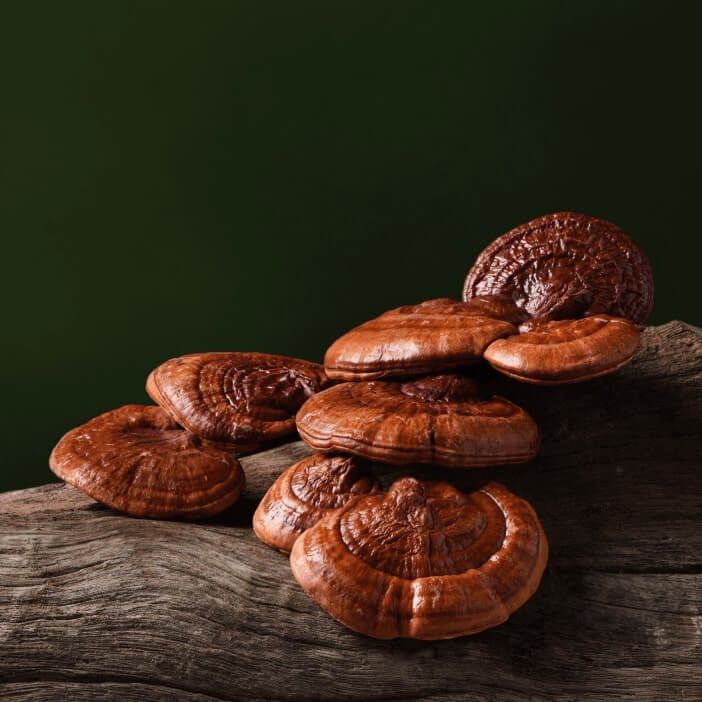
Reishi mushroom (Ganoderma lucidum) is a medicinal mushroom that has been used for centuries in traditional Chinese and Japanese wellness practices. Often called the “mushroom of immortality,” reishi is valued for its potential ability to support overall health, improve balance in the body, and promote general well-being.
Unlike common edible mushrooms, reishi has a tough texture and bitter taste, so it is rarely eaten as food. Instead, it is usually consumed as powder, tea, capsules, or mushroom extracts. Today, it has become increasingly popular among people interested in natural wellness and functional foods.
Modern research has focused on reishi because it contains several beneficial compounds, including beta-glucans, triterpenes, antioxidants, and polysaccharides, which may contribute to its health-supporting properties.
History and Traditional Uses of Reishi Mushroom
Reishi mushroom has a long history dating back thousands of years. In traditional Chinese medicine, it was considered a valuable herb used to support vitality, energy, and longevity.
Ancient practitioners believed reishi helped restore balance within the body and strengthen resilience against physical and emotional stress. While modern science does not support claims that reishi can extend life indefinitely, researchers continue studying its potential benefits for maintaining healthy body functions.
Today, reishi is widely used as a natural supplement by people looking to support immunity, relaxation, and overall wellness.
Health Benefits of Reishi Mushroom
1. Supports Immune System Health
One of the most researched benefits of reishi mushroom is its potential role in supporting immune function. Reishi contains beta-glucans, natural compounds that may influence immune activity and help the body maintain a balanced defense system.
A healthy immune system works like a security team—it needs to protect the body while avoiding unnecessary overreaction. Reishi may help support this balance by interacting with certain immune cells.
Although research is promising, reishi should not replace medical treatments or medications prescribed by healthcare professionals.
2. May Help Manage Stress and Promote Relaxation
Daily stress can affect sleep, energy levels, mood, and overall health. Reishi mushroom is often classified as an adaptogen, meaning it may help the body respond better to physical and emotional stress.
Many people include reishi in their wellness routine because of its calming effects. Its ability to support relaxation may help individuals maintain a better sense of balance during stressful periods.
However, healthy habits such as regular exercise, proper nutrition, and good sleep remain essential for managing stress effectively.
3. May Support Better Sleep
Quality sleep plays an important role in physical recovery and mental performance. Reishi is commonly used in evening wellness routines because of its relaxing properties.
Some users report improved relaxation and better sleep patterns after taking reishi consistently. While more scientific research is needed to confirm its direct effects on sleep, its potential stress-supporting properties may contribute to healthier sleep habits.
4. Supports Heart Health
Research has explored the possible connection between reishi mushroom and cardiovascular wellness. Some studies suggest that reishi compounds may support healthy cholesterol levels and help manage inflammation.
However, heart health depends on many factors, including diet, physical activity, genetics, and lifestyle choices. Reishi should be considered a supplement that supports wellness rather than a replacement for a healthy lifestyle.
Common Uses of Reishi Mushroom
Reishi mushroom is available in different forms, making it easy to add to a daily routine.
Reishi Mushroom Powder:
This can be mixed into smoothies, teas, coffee, or other drinks. Because of its naturally bitter flavor, it is often combined with sweet ingredients.
Reishi Capsules:
Capsules provide a convenient option for people who prefer a simple and measured way to consume reishi.
Reishi Extracts:
Extracts contain concentrated compounds from the mushroom and are commonly found in many high-quality supplements.
Possible Side Effects of Reishi Mushroom
Although reishi is considered safe for many people, some individuals may experience side effects, especially when taking high amounts.
Possible side effects include:
- Stomach discomfort
- Dry mouth
- Dizziness
- Skin irritation
- Digestive issues
People who are pregnant, breastfeeding, preparing for surgery, taking blood-thinning medication, or managing specific health conditions should speak with a healthcare professional before using reishi supplements.
How to Choose Quality Reishi Mushroom Products
With the increasing popularity of medicinal mushrooms, choosing a reliable reishi product is important. Look for products that provide:
- Clear ingredient information
- Transparent sourcing details
- Third-party testing
- Proper extraction methods
- Information about mushroom species used
High-quality supplements are usually more reliable because they contain clearly identified ingredients and avoid unnecessary additives. You can get one of the best reishi mushroom supplements from trusted vendors at Behalaal Marketplace.
Reishi Mushroom Dosage
There is no single recommended dosage for everyone because reishi products vary in strength and concentration. The ideal amount depends on factors such as the supplement type, personal health goals, and individual tolerance.
It is best to follow the instructions provided by the manufacturer and start with a lower amount if you are new to using reishi.
Conclusion
Reishi mushroom is a popular medicinal mushroom with centuries of traditional use and growing interest in modern wellness. Its potential benefits include supporting immune health, promoting relaxation, improving sleep quality, and contributing to overall balance.
While reishi shows promising health-supporting properties, it should be used as part of a healthy lifestyle rather than as a cure for medical conditions. Choosing quality products and using them responsibly can help you enjoy the potential benefits of this powerful mushroom.
Frequently Asked Questions About Reishi Mushroom
1. What is reishi mushroom good for?
Reishi mushroom is commonly used to support immune health, stress management, relaxation, and general wellness.
2. Can reishi mushroom help with sleep?
Reishi may promote relaxation, which can support better sleep quality, although more research is needed.
3. Is reishi mushroom safe daily?
Many people consume reishi daily, but it is important to follow dosage recommendations and consider personal health conditions.
4. How should I take reishi mushroom?
Reishi can be taken as capsules, powders, teas, or extracts depending on personal preference.
5. Who should avoid reishi mushroom?
People taking certain medications, preparing for surgery, or with specific health concerns should consult a healthcare professional before using reishi.
Disclaimer
This blog has not been approved by your local health department and is not intended to provide diagnosis, treatment, or medical advice. The content provided on this blog is for informational purposes only. Please consult with a physician or other healthcare professional regarding any medical or health-related diagnosis or treatment options. Information on this blog should not be considered as a substitute for advice from a healthcare professional. The claims made about specific products throughout this blog are not approved to diagnose, treat, cure, or prevent disease.


