
 Kosher Vitamin A, B, C, D, E, & K
 Prenatal & Postnatal Vitamins
 Children’s Multivitamins
 Vitamin C & Zinc Boosters

 Detox & Cleansing
 Herbal Teas
 Herbal Bitters & Detox
 Turmeric & Curcumin
 Green Tea Extract


Hidden Health Benefits of African Sausage Fruit

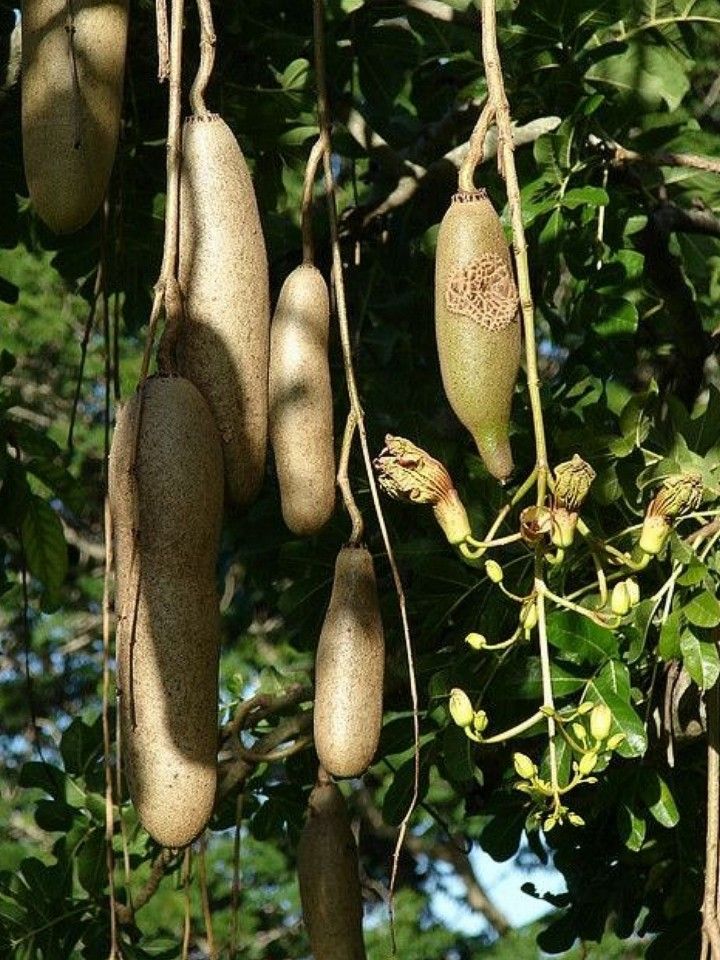
What Is African Sausage Fruit?
African Sausage Fruit, also known as Kigelia africana, is one of Africa’s most fascinating medicinal plants. The fruit hangs from tall trees in long sausage-like shapes, which explains how it got its popular name. For centuries, different African communities have used this fruit in traditional medicine for treating skin problems, infections, and inflammation. Even though it looks unusual, the fruit has attracted global attention because researchers are now studying its powerful plant compounds and healing properties.
The fruit itself is usually hard and woody when mature. Traditional healers often dry, roast, or ferment it before use because raw sausage fruit is considered unsafe for direct consumption. In many African cultures, it has been used in herbal mixtures, ointments, and skincare remedies. Today, modern cosmetic and herbal brands are exploring its benefits for natural wellness and beauty products.
Nutritional and Medicinal Compounds
One of the biggest reasons African sausage fruit is gaining popularity is its rich concentration of antioxidants and phytochemicals. Studies show that the fruit contains flavonoids, phenolic compounds, tannins, and saponins, which are natural substances linked to health protection. These compounds help the body fight oxidative stress, which happens when harmful molecules damage healthy cells over time.
Researchers have also discovered that the fruit contains strong anti-inflammatory properties. Inflammation is connected to many health conditions, including arthritis, skin irritation, and chronic illnesses. Some laboratory studies found that extracts from Kigelia africana may help reduce inflammatory responses in the body.
Surprising Health Benefits
Supports Skin Health
One of the most popular traditional uses of African sausage fruit is for skin care. Communities across Africa have used it to help manage eczema, fungal infections, boils, psoriasis, and minor wounds. Modern skincare products now include Kigelia africana extracts because they are believed to help tighten and refresh the skin naturally.
The antioxidants found in the fruit may also help protect the skin from environmental stress. Think of antioxidants as tiny bodyguards that defend your skin cells from damage caused by pollution and aging. This is why the fruit is commonly added to herbal creams and natural beauty formulas.
May Help Fight Bacteria and Fungi
Another hidden benefit of African sausage fruit is its possible antimicrobial activity. Some studies suggest that compounds inside the fruit may help slow the growth of certain bacteria and fungi. This explains why traditional healers have long used it for infections and skin-related conditions.
Researchers are still studying how effective these compounds may be in modern medicine, but early findings are promising. The plant’s natural defense system could eventually inspire new herbal treatments and skincare products.
Possible Anti-Cancer Potential
One of the most exciting areas of research involves the fruit’s possible anti-cancer properties. Recent scientific studies explored how Kigelia africana extracts interacted with cancer cells in laboratory settings. Researchers observed that certain compounds showed potential in slowing cell growth and supporting cancer research efforts.
That does not mean the fruit is a cure for cancer. Still, these discoveries show why scientists continue to study African medicinal plants for future pharmaceutical breakthroughs. Nature often hides powerful secrets in unexpected places, and the sausage fruit may be one of them.
Safety and Precautions
Despite its benefits, African sausage fruit should be approached carefully. Experts warn that the fruit can be toxic when raw, which is why it is traditionally processed before use.
Anyone interested in herbal remedies containing Kigelia africana should speak with a qualified healthcare professional before using it. Herbal medicine can interact with medications or cause side effects if used incorrectly. Safe preparation and proper guidance are extremely important.
Conclusion
African sausage fruit is more than just a strange-looking tropical plant. Behind its unusual appearance lies a long history of traditional healing and a growing body of scientific research. From antioxidants and anti-inflammatory compounds to skincare and antimicrobial potential, this remarkable African fruit continues to surprise researchers and health enthusiasts alike.
As science keeps exploring the natural world, plants like Kigelia africana remind us that some of the most powerful wellness secrets may already exist in nature.
NB- You can also consume sausage fruit as a supplement. It is available from trusted vendors at Behalaal Marketplace.
FAQs
1. What is the scientific name of African sausage fruit?
The scientific name is Kigelia africana.
2. Can African sausage fruit be eaten raw?
No. The raw fruit is considered toxic and should not be eaten directly.
3. What is African sausage fruit used for traditionally?
It has traditionally been used for skin conditions, infections, inflammation, and wound care.
4. Does African sausage fruit contain antioxidants?
Yes. Research shows it contains antioxidants and beneficial phytochemicals.
5. Is African sausage fruit used in skincare products?
Yes. Many herbal and cosmetic products use Kigelia africana extracts for natural skincare benefits.
DISCLAIMER
This blog has not been approved by your local health department and is not intended to provide diagnosis, treatment, or medical advice. The content provided on this blog is for informational purposes only. Please consult with a physician or other healthcare professional regarding any medical or health-related diagnosis or treatment options. Information on this blog should not be considered as a substitute for advice from a healthcare professional. The claims made about specific products throughout this blog are not approved to diagnose, treat, cure, or prevent disease.


