Kosher Vitamin A, B, C, D, E, & K
 Prenatal & Postnatal Vitamins
 Children’s Multivitamins
 Vitamin C & Zinc Boosters

 Detox & Cleansing
 Herbal Teas
 Herbal Bitters & Detox
 Turmeric & Curcumin
 Green Tea Extract


Ashwagandha for Muscle Growth and Strength: Does It Work?


What Is Ashwagandha?
Origins and Traditional Use
Ashwagandha isn’t just another trendy supplement you stumbled across on social media—it’s a powerful herb with a history that stretches back over 3,000 years. Rooted in Ayurvedic medicine, this plant has been used for centuries to promote vitality, strength, and overall well-being. Think of it as nature’s attempt to create a “reset button” for the body, helping it adapt to stress while supporting physical performance.
Traditionally, Ashwagandha was prescribed to people who felt weak, fatigued, or physically drained. It was believed to restore energy levels and enhance stamina—qualities that are surprisingly relevant to modern fitness goals. Fast forward to today, and it’s now being studied in laboratories and clinical trials, bridging the gap between ancient wisdom and modern science.
What makes it particularly interesting is its classification as an adaptogen. This means it doesn’t just target one system in the body—it works holistically, helping your body maintain balance under stress. And when you think about muscle growth, stress management is a big deal. High stress can sabotage your gains, slow recovery, and even reduce your motivation to train.
Key Active Compounds (Withanolides)
The real magic of Ashwagandha lies in its bioactive compounds known as withanolides. These naturally occurring chemicals are responsible for many of the herb’s benefits, from reducing inflammation to supporting hormonal balance.
From a muscle-building perspective, withanolides are believed to influence how your body responds to stress and recovery. When you lift weights, you’re essentially creating controlled damage in your muscles. Your body then repairs and rebuilds those muscles stronger than before. This process is heavily influenced by hormones, stress levels, and recovery efficiency—all areas where Ashwagandha may play a supportive role.
Research suggests that these compounds may help regulate the body’s stress response system, also known as the HPA axis. By doing so, they can potentially lower cortisol levels—the hormone that often works against muscle growth when it’s chronically elevated.
Why Athletes Are Turning to Ashwagandha
Rise in Popularity in Fitness Circles
Walk into any gym or scroll through fitness content online, and chances are you’ll hear someone talking about Ashwagandha. It has quickly become one of the most talked-about natural supplements in the fitness world—and not without reason.
Modern athletes are becoming more conscious about what they put into their bodies. There’s a growing shift toward natural, plant-based performance enhancers, and Ashwagandha fits perfectly into that narrative. Unlike synthetic supplements that often come with a long list of side effects, this herb offers a more balanced approach to performance and recovery.
Recent research even highlights that Ashwagandha supplementation is associated with improvements in muscular strength, endurance, and overall athletic performance, although results can vary depending on the individual.
Natural Alternative to Synthetic Supplements
Let’s be honest—many performance supplements promise the world but deliver very little. Pre-workouts, fat burners, and “muscle boosters” often rely on stimulants that give you a temporary high, followed by a crash.
Ashwagandha, on the other hand, works differently. It doesn’t give you an instant jolt of energy. Instead, it builds a foundation for better performance over time. It’s like planting a seed rather than flipping a switch.
For people who want sustainable results without compromising their health, this makes Ashwagandha an appealing option. It’s not about shortcuts—it’s about optimizing your body’s natural ability to perform and recover.
How Muscle Growth Actually Works
Role of Resistance Training
Before we dive deeper into Ashwagandha’s role, it’s important to understand one key truth: no supplement can replace proper training. Muscle growth, also known as hypertrophy, primarily occurs when you challenge your muscles through resistance training.
When you lift weights, you create tiny tears in your muscle fibers. Your body repairs these fibers during rest, making them thicker and stronger. This process requires consistency, progressive overload, and proper nutrition.
Ashwagandha doesn’t magically build muscle on its own. Instead, it supports the processes that allow your body to maximize the results of your training.
Hormones and Recovery
Hormones play a massive role in muscle growth. Testosterone helps build muscle, while cortisol—often called the stress hormone—can break it down if levels are too high.
Recovery is equally important. If your body doesn’t recover properly, you won’t grow. In fact, you might even lose strength over time.
This is where Ashwagandha becomes interesting. By potentially lowering cortisol and supporting hormonal balance, it may create a more favorable environment for muscle growth.
The Science Behind Ashwagandha and Muscle Growth
Clinical Studies on Strength Gains
Here’s where things get exciting—because we’re not just talking theory anymore. Clinical studies have actually tested Ashwagandha in real-world training scenarios.
In one randomized controlled trial, participants who took 600 mg of Ashwagandha daily for eight weeks while following a resistance training program experienced significantly greater improvements in bench press strength, leg press performance, and overall endurance compared to a placebo group.
That’s not just a small difference—it’s measurable progress that can make a real impact on your fitness journey.
Evidence on Muscle Size and Endurance
The same study also found that participants using Ashwagandha saw greater increases in muscle size, particularly in the arms, chest, and thighs.
Another review of multiple studies involving over 9,000 individuals concluded that Ashwagandha shows promising effects on endurance, strength, and recovery, although more high-quality research is still needed.
So, does it work? The answer seems to be yes—but with a catch. The improvements are modest, not dramatic. Think of it as a performance booster, not a miracle solution.
Key Benefits of Ashwagandha for Fitness
Improved Strength Output
One of the most consistent findings across studies is an improvement in strength. Whether it’s lifting heavier weights or performing more reps, users often experience a noticeable boost over time.
This could be due to better recovery, reduced fatigue, or improved neuromuscular efficiency. Whatever the mechanism, the result is simple—you perform better in the gym.
Enhanced Recovery
Recovery is where gains are made, and Ashwagandha seems to shine here. By reducing muscle damage markers and improving recovery speed, it allows you to train harder and more frequently.
Reduced Stress and Cortisol
High stress levels can completely derail your progress. Ashwagandha’s ability to lower cortisol may help create a more anabolic (muscle-building) environment in the body.
Ashwagandha and Testosterone Levels
Hormonal Impact Explained
Testosterone is often seen as the king of muscle-building hormones. While Ashwagandha isn’t a steroid or hormone replacement, it may support natural testosterone production.
What Research Says
Some studies suggest increases in testosterone levels among men taking Ashwagandha, especially those engaged in resistance training. While the boost isn’t extreme, it can contribute to improved strength and muscle growth over time.
Dosage and How to Use It
Recommended Dosage Range
Most studies use doses between 500 mg and 1000 mg per day, typically split into two servings.
Best Time to Take It
- Morning: For stress management and energy balance
- Night: For recovery and improved sleep
Consistency is key—this isn’t a supplement you take occasionally.
Comparing Ashwagandha vs Other Supplements
| Supplement | Primary Benefit | Speed of Results | Natural? |
|---|---|---|---|
| Ashwagandha | Stress reduction, recovery, strength | Gradual | Yes |
| Creatine | Strength and power | Fast | Yes |
| Protein Powder | Muscle repair | Moderate | Yes |
Ashwagandha complements these supplements rather than replacing them.
Who Should Use Ashwagandha?
Beginners vs Advanced Lifters
Beginners may notice more obvious improvements because their bodies are adapting quickly. Advanced lifters might experience smaller, incremental gains.
Men vs Women
Both men and women can benefit, especially in terms of recovery and stress management.
Potential Side Effects and Safety
Common Side Effects
Most people tolerate Ashwagandha well, but some may experience mild digestive issues or drowsiness.
Who Should Avoid It
- Pregnant women
- People with certain medical conditions
- Those on specific medications
Always consult a professional if unsure.
Realistic Expectations: What Results Can You Expect?
Timeline for Results
Most users start noticing benefits within 4 to 8 weeks of consistent use.
Factors That Influence Effectiveness
- Training intensity
- Diet quality
- Sleep and recovery
- Supplement quality
How to Maximize Results with Ashwagandha
Pairing with Training
Use it alongside a structured resistance training program.
Diet and Lifestyle Tips
Eat enough protein, stay hydrated, and prioritize sleep.
Where to Buy Quality Ashwagandha
Why Quality Matters
Not all supplements are created equal. Purity, extraction method, and dosage all matter.
Availability on Behalal Organics
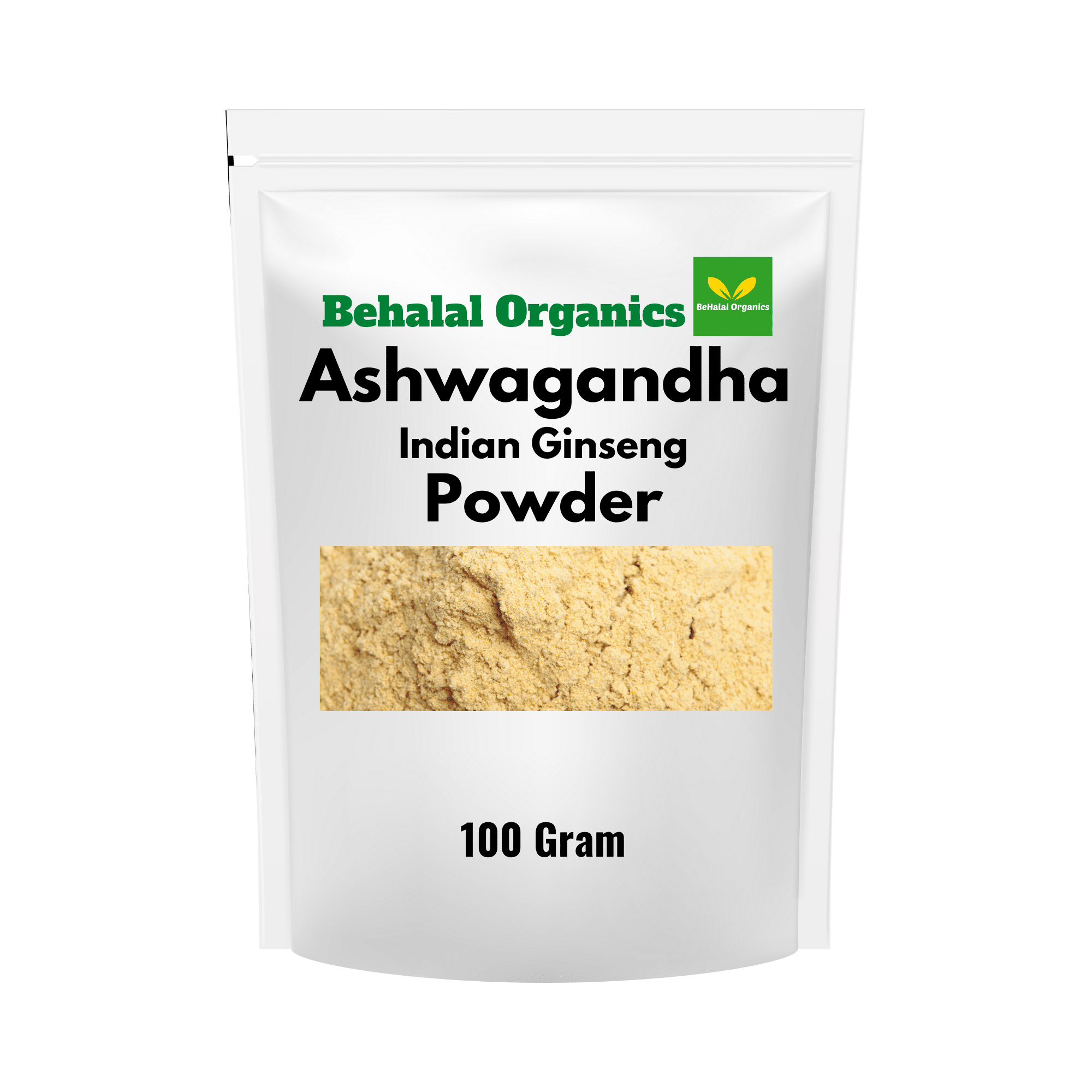
If you’re looking for a trusted source, Ashwagandha is available on Behalal Organics, offering a natural and premium option for those serious about their health and fitness journey.
Conclusion
Ashwagandha isn’t a magic pill that will instantly transform your physique—but it’s far from useless. The science shows that it can support muscle growth, improve strength, enhance recovery, and reduce stress, all of which play a crucial role in building a stronger body.
Think of it as a quiet partner in your fitness journey. It works behind the scenes, helping your body perform better and recover faster. When combined with proper training, nutrition, and consistency, it can give you that extra edge you’ve been looking for.
FAQs
1. Can Ashwagandha replace protein supplements?
No, it supports recovery but doesn’t provide the amino acids needed for muscle growth.
2. How long should I take Ashwagandha for results?
Most people see results within 4–8 weeks of consistent use.
3. Is Ashwagandha safe for daily use?
Yes, when taken within recommended doses.
4. Can women use Ashwagandha for fitness?
Absolutely, it benefits both men and women.
5. Does Ashwagandha increase muscle mass directly?
Not directly—it supports the conditions needed for muscle growth.