
 Kosher Vitamin A, B, C, D, E, & K
 Prenatal & Postnatal Vitamins
 Children’s Multivitamins
 Vitamin C & Zinc Boosters

 Detox & Cleansing
 Herbal Teas
 Herbal Bitters & Detox
 Turmeric & Curcumin
 Green Tea Extract


Why Black Seed Is Called the Cure for Everything but Death

Introduction
For centuries, black seed (Nigella sativa) has carried a reputation that almost sounds mythical;“a cure for everything but death.” This small but mighty seed has earned global recognition not just in traditional medicine but also in modern health circles. But why does it hold such a powerful title? Let’s explore.
What Is Black Seed?
Origins and History
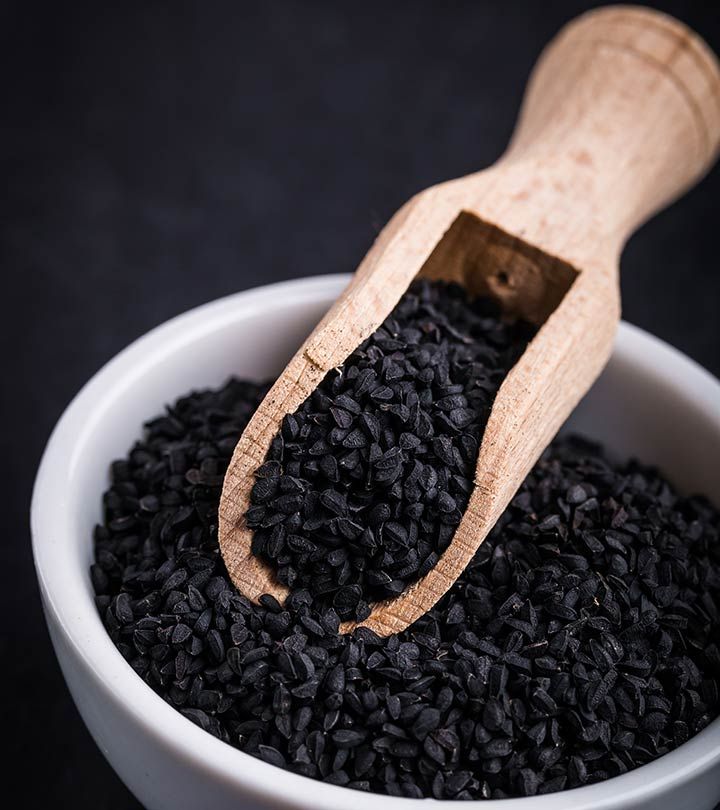
Black seed, also called black cumin or kalonji, has been used for more than 2,000 years across the Middle East, Africa, and Asia. Ancient Egyptians treasured it, and it even appeared in King Tut’s tomb as a symbol of health.
Botanical Profile of Nigella Sativa
The plant is a small flowering herb from the Ranunculaceae family, producing tiny jet-black seeds that are aromatic and rich in medicinal compounds.
The Famous Saying: “Cure for Everything but Death”
Prophetic Medicine Reference
The phrase originates from a hadith where Prophet Muhammad (PBUH) described black seed as a healing remedy for various illnesses except death itself. This gave it a sacred and medicinal status in Islamic culture.
Cultural and Traditional Beliefs
Across Asia and Africa, families pass down black seed oil as a household cure for common ailments—from coughs to stomach issues.
Nutritional Profile of Black Seed
Vitamins and Minerals
Black seeds are loaded with iron, zinc, copper, calcium, and B vitamins, making them a powerhouse of nutrition.
Active Compounds (Thymoquinone, etc.)
The star compound, thymoquinone, is known for its anti-inflammatory, antioxidant, and immune-boosting effects. Other compounds include essential fatty acids and amino acids that aid healing.
Top Health Benefits of Black Seed
Boosting Immunity
Regular use strengthens the immune system, helping the body ward off infections naturally.
Supporting Digestive Health
It eases bloating, indigestion, and intestinal parasites, making it a natural gut supporter.
Respiratory Wellness
Traditionally used for asthma, cough, and bronchitis, black seed opens airways and soothes inflammation.
Skin and Hair Benefits
Black seed oil helps improve skin and hair health, easing issues like acne and dandruff due to its hydrating and antimicrobial properties.
Heart Health and Blood Sugar Support
Studies suggest it may regulate cholesterol, improve blood circulation, and balance blood sugar beneficial for diabetics and heart patients.
Black Seed in Modern Medicine
Scientific Research and Clinical Studies
Recent studies confirm black seed’s potential in treating conditions like hypertension, diabetes, and allergies validating traditional claims.
Integrating Traditional Wisdom with Science
While not a replacement for medicine, black seed is increasingly used as a complementary therapy in wellness and natural healing.
How to Use Black Seed
Oil vs. Seeds
Both forms are beneficial. Seeds can be sprinkled on food, while oil is taken in small doses or applied externally.
Dosage and Safety Tips
Generally, 1–2 teaspoons daily of oil or seeds is considered safe. However, it’s best to consult a doctor for medical use.
Limitations and Precautions
Why It’s Not Truly a Cure-All
Despite its impressive qualities, black seed cannot replace professional medical treatment. It supports health but does not “cure” every disease.
Safe Usage Guidelines
Pregnant women, breastfeeding mothers, and people on medication should seek medical advice before regular use.
Conclusion
Black seed’s title as the “cure for everything but death” comes from centuries of trust, tradition, and scientific backing. Although it isn’t a magical cure-all, black seed stands out as one of nature’s strongest healing gifts, connecting traditional knowledge with modern wellness.
FAQs
1. Why is black seed called the cure for everything but death?
Because of its wide healing benefits and its reference in Prophetic medicine, though it doesn’t literally cure every illness.
2. Can I take black seed oil daily?
Taking it in moderation about 1 to 2 teaspoons daily is generally safe, but it’s best to seek medical advice if you have existing health concerns.
3. Is black seed good for hair growth?
Yes, black seed oil nourishes the scalp and may reduce hair fall.
4. Are there side effects of black seed?
Excessive use may cause stomach upset or interact with medications.
5. Can black seed replace modern medicine?
No, it complements modern medicine but should not replace prescribed treatments.
DISCLAIMER
This blog has not been approved by your local health department and is not intended to provide diagnosis, treatment, or medical advice. The content provided on this blog is for informational purposes only. Please consult with a physician or other healthcare professional regarding any medical or health-related diagnosis or treatment options. Information on this blog should not be considered as a substitute for advice from a healthcare professional.


